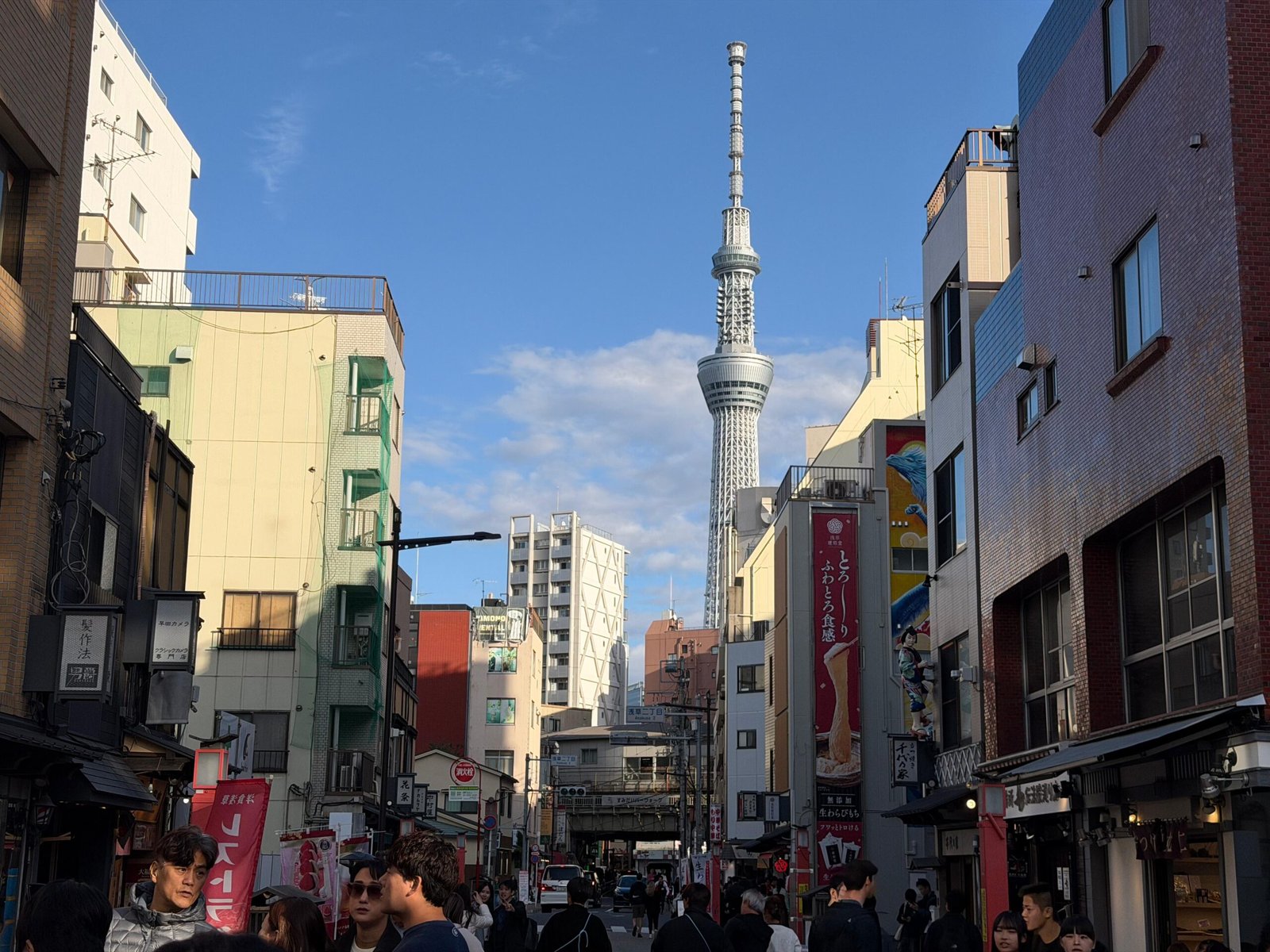
During our 10 days in Tokyo, I didn’t take a single taxi. We had breakfast at our accommodation most mornings, and I walked more than 20,000 steps every day.
Yet when I added up our expenses after the trip, I realized that the two of us had spent nearly ¥810,000.
Of course, that included flights, accommodation, shopping, and gifts.
We visited Tokyo from November 1 to 10, 2026. It was my first time in the city. We explored popular attractions, visited Disneyland, and took a day trip to Hakone, just outside Tokyo.
Before leaving, I had set aside a budget of around ¥353,000 (approximately $2,235), excluding flights and accommodation. The plan was to spend it on food, sightseeing, and shopping.
I knew Tokyo wasn’t a particularly cheap destination. Still, some things turned out to be more expensive than I expected, while others were surprisingly affordable.
So I went through our expenses from those 10 days to see where our money went and which experiences felt worth the cost.
How Much Did We Spend on 10 Days in Tokyo?
Here is a breakdown of our expenses for two adults traveling from November 1 to 10, 2026.
| Category | Total for Two |
|---|---|
| Accommodation (Airbnb) | ¥243,783 ($1,543) |
| Flights | ¥186,134 ($1,178) |
| Shopping & Gifts | ¥196,542 ($1,244) |
| Food, Cafés, Groceries & Essentials | ¥108,186 ($685) |
| Transportation | ¥35,160 ($223) |
| Sightseeing & Admission Tickets | ¥28,030 ($177) |
| Haircut & Restaurant Reservation Fee | ¥7,200 ($46) |
| eSIM | ¥3,551 ($22) |
| Total | ¥808,586 ($5,118) |
USD amounts are approximate conversions based on exchange rates around the time of our trip.
Our total came to approximately ¥808,600 ($5,120) for two people, or ¥404,300 ($2,560) per person.
Excluding shopping and gifts, we spent around ¥612,000 ($3,874).
Accommodation and flights accounted for the largest share. Together, they cost roughly ¥430,000, more than half of our total expenses.
After excluding flights and accommodation, our remaining expenses came to about ¥378,700 ($2,400), slightly above the budget I had originally planned.
Flights and Accommodation: A Great Location, but an Expensive Airbnb in Shinjuku
Our flights for two people, including 30 kg of checked baggage, cost approximately ¥186,100 ($1,180) in total.
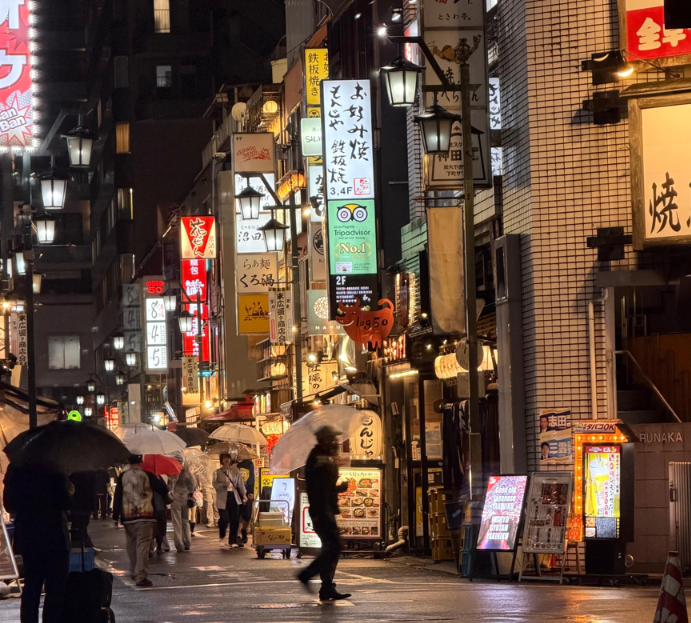
For accommodation, we booked an Airbnb about a 10-minute walk from Shinjuku Station.
The total cost was approximately ¥243,800 ($1,540).
We chose Shinjuku because it seemed like a convenient base for getting around Tokyo. We also booked relatively late, and with November being a popular travel season, there weren’t many options left.
As it turned out, the location really was excellent.
It was easy to travel directly from Shinjuku to Hakone, and the surrounding area was full of department stores, Uniqlo branches, restaurants, and places to shop. Getting to Tokyo Station took a little longer, but overall, we were happy with how well-connected the area was.
The downside was the crowds.
Shinjuku was incredibly busy almost everywhere we went.
I don’t particularly enjoy noisy, crowded places, so I found it a little exhausting at times. But walk just 10 minutes away from the busiest streets, and we could find surprisingly quiet residential neighborhoods and side streets.
The apartment had a kitchen, washing machine, and bathtub.
All three were important to us. Having a kitchen meant we could prepare breakfast at home, and the washing machine was particularly useful after spending so much time walking every day.
I also appreciated having a bathtub. After a long day on my feet, soaking in a warm bath felt wonderful.
I’ve heard that bathing is such an important part of Japanese culture that even relatively small homes often make room for a bathtub.
Unfortunately, the apartment wasn’t perfect.
The soundproofing was poor. We could hear footsteps and other noises from upstairs almost as though they were coming from inside our own apartment.
The heating was another issue. Even with the heater running, only the area directly around it felt warm, while the rest of the room remained cold.
Considering the size of accommodation in Japan, the apartment itself was reasonably spacious. Still, despite the excellent location and useful facilities, I felt that paying around ¥240,000 for our stay was quite expensive.
Next time, I’d probably look for somewhere a little cheaper in a similar area.
Food in Tokyo: Eating Out and Grocery Shopping Cost More Than Expected
We spent approximately ¥108,200 ($685) on meals, cafés, groceries, and some everyday essentials during the trip.
This included snacks and household items purchased from convenience stores and Don Quijote.
However, this amount may not be representative of what two people would typically spend on food in Tokyo.
We didn’t eat three full meals out every day.
Most mornings, we bought food from supermarkets and ate breakfast at our apartment. We picked up all sorts of things, including salads, bread, sandwiches, sweet potatoes, fruit, milk, bento boxes, onigiri, and even sashimi.
I don’t usually eat particularly large portions, so after a substantial lunch, I’d often have something light for dinner or skip it altogether. There were also several evenings when my travel companion ate dinner alone.
Even so, I found food in Japan more expensive than I had expected.
At many of the restaurants we visited, a meal typically cost around ¥2,600–3,500 ($16–22) per person.
That’s not very different from what I might pay for a meal out in Germany. Some meals even felt more expensive than in South Korea, and the difference was much more noticeable compared with Malaysia.
Portion sizes were another thing I noticed.
For someone with a smaller appetite, they might be perfectly fine. But my travel companion frequently needed to order extra rice or noodles after finishing a meal.
For someone with a bigger appetite, eating out in Tokyo could easily cost more than expected.
Our Favorite Meals: Tonkatsu and Conveyor-Belt Sushi
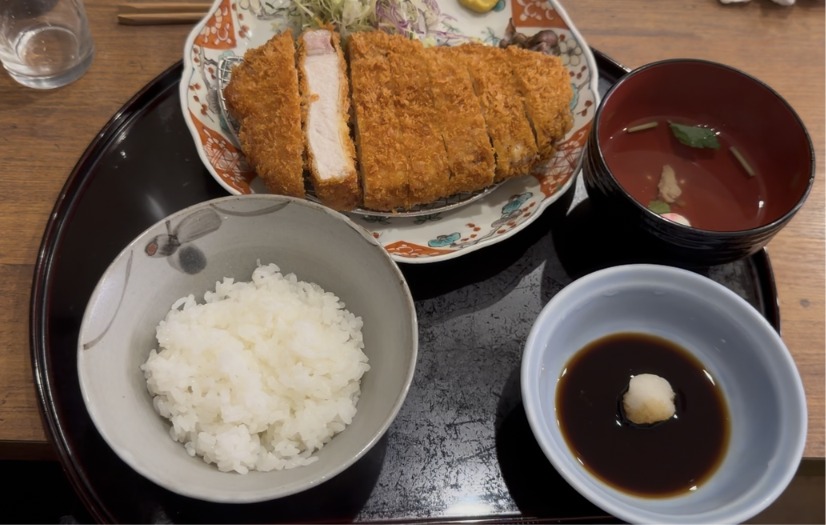
The meals I enjoyed most during this trip were tonkatsu and sushi.
I particularly liked Sushiro, a Japanese conveyor-belt sushi chain, so much that we visited twice.
The prices were reasonable, and I was happy with the food.
Tonkatsu was a little more expensive than I expected, but I still really enjoyed it.
Ramen and udon, on the other hand, were disappointing.
They weren’t especially cheap, and I found the broths a little too sweet and rich for my taste. Personally, I didn’t find them particularly memorable.
Of course, this is only based on the restaurants we happened to visit.
A 16-Course Teppanyaki Omakase for ¥21,340
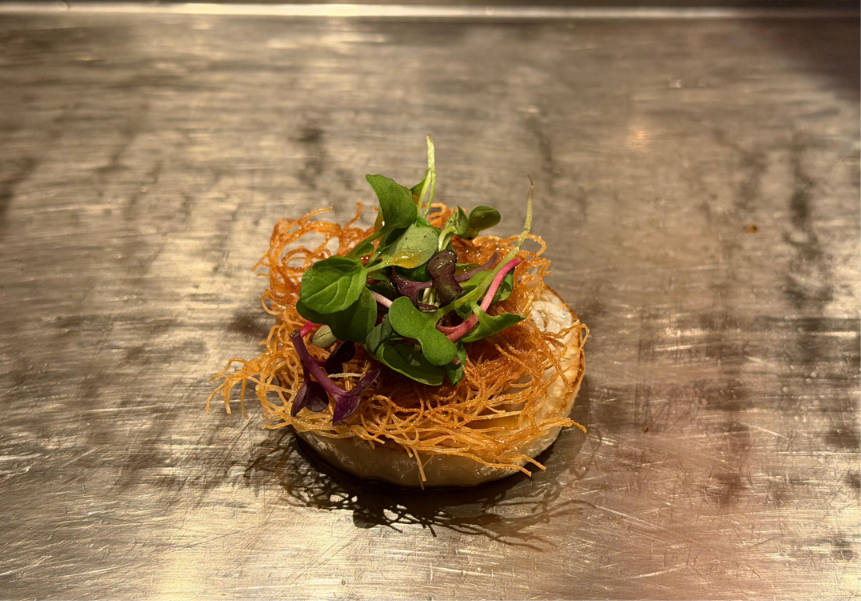
Our most expensive meal was a 16-course teppanyaki omakase.
For two people, including alcoholic drinks, we paid ¥21,340 (approximately $135).
We enjoyed both the food and the service.
The portions, however, were smaller than I expected for a 16-course meal.
Having heard that similar dining experiences can cost considerably more, I didn’t think the price was unreasonable.
On my next trip to Japan, I’d love to try a sushi omakase as well.
Are Japanese Supermarkets Really That Affordable?
Japan’s convenience stores are incredibly convenient, with a wide variety of ready-to-eat food. In some areas, it felt as though there were two or three convenience stores on almost every block.
But buying small things like snacks, bread, and bottled water several times a day added up.
Supermarkets were more expensive than I expected, too.
Fruit prices stood out in particular. November is a good season for mandarins and persimmons, and I would have liked to buy them more often, but I found the prices surprisingly high.
Eating breakfast at our apartment certainly helped us avoid restaurant bills in the morning. But I wouldn’t describe grocery shopping in Tokyo as particularly cheap.
I also noticed that finding a large supermarket in central Tokyo wasn’t always easy.
Japan has regulations governing the development of large retail stores, and high rents and limited space can make it difficult to operate large supermarkets in central Tokyo.
Around Shinjuku, most of the supermarkets we visited were relatively small. They carried everyday groceries and basic essentials, but the selection wasn’t particularly extensive.
Hakone vs. Disneyland: Two Very Different Experiences for the Money
Alongside exploring Tokyo itself, we also visited Hakone and Tokyo Disneyland.
Both involved additional expenses, but the experiences couldn’t have been more different in terms of how worthwhile they felt.
Hakone: Beautiful Weather and a Day Trip That Was Worth It
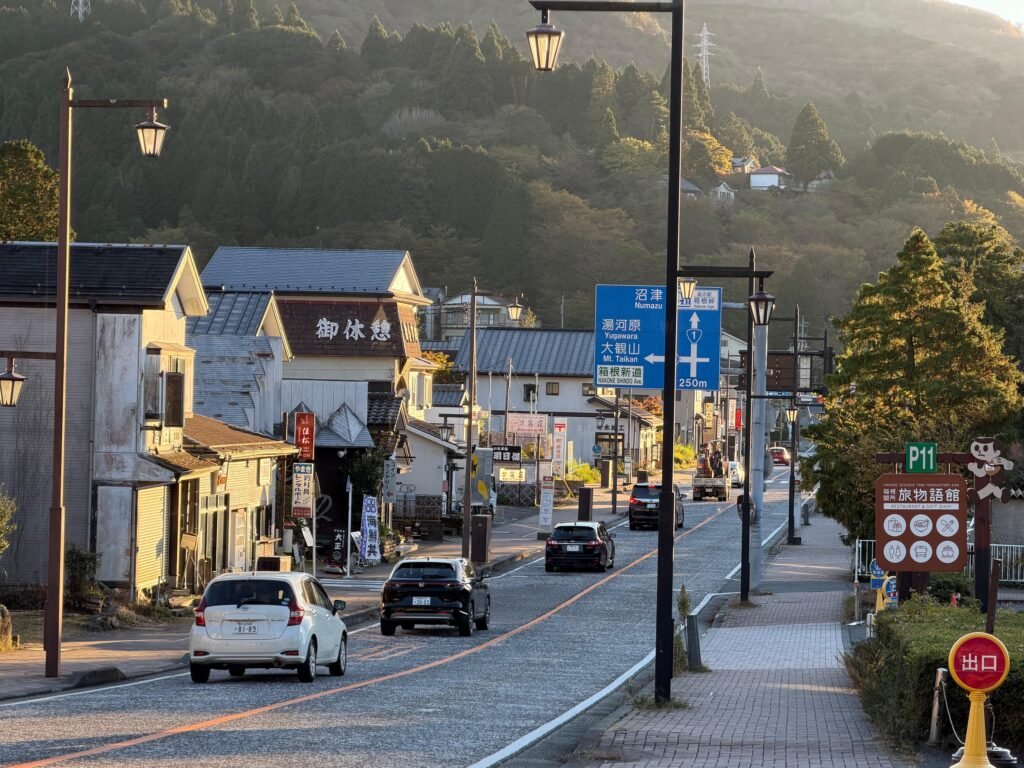
We visited Hakone on a day trip.
Our train tickets cost approximately ¥15,000 ($95), and we spent another ¥4,444 ($28) on a meal there.
The pass we purchased also covered the ropeway, sightseeing boat, and local transportation, so we could use those without paying additional fares.
Most importantly, the weather was wonderful.
Getting out of Tokyo and spending the day surrounded by Hakone’s scenery was one of the highlights of our trip.
We had initially considered staying overnight at a traditional Japanese ryokan with an onsen.
However, when I looked at accommodation for the November autumn season, many of the ryokan options cost upwards of ¥53,000 ($335) per night.
That felt too expensive, so we decided to visit for the day instead.
In the end, I think it was the right choice for us.
Even if I visit Hakone again, I’d be happy to consider another day trip.
Disneyland: The Day That Felt Least Worth the Money
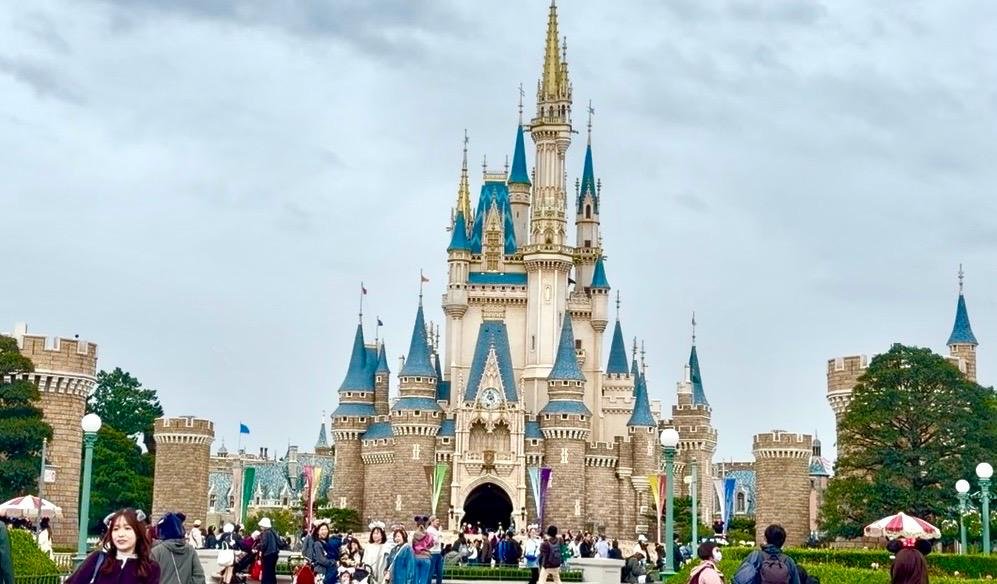
Disneyland, on the other hand, was probably the most disappointing part of the trip.
Admission tickets for two cost approximately ¥19,800 ($125).
We also paid an additional ¥5,000 ($32) to reduce the waiting time for the Beauty and the Beast attraction.
Including our restaurant meal and churros, we spent around ¥30,600 ($194) on Disneyland.
The problem was the weather.
It rained heavily, the wind was strong, and it was absolutely freezing.
We arrived relatively late, at around 11 a.m., and hadn’t planned to spend the entire day there. But the weather made our visit even shorter than expected.
There weren’t enough comfortable places to escape the rain and take a break.
Getting food was difficult, too. Restaurant queues were long, and some places required reservations or involved waits of nearly two hours.
We ended up relying partly on the snacks we’d brought with us.
The parade I had been looking forward to most was canceled.
We bought the additional ticket for Beauty and the Beast partly to avoid standing in the rain for so long. But personally, I didn’t feel the experience justified the extra cost.
I actually preferred the Winnie the Pooh attraction.
The purchase I appreciated most that day was a cup of hot coffee at one of the restaurants.
Eventually, we left early because of the cold and rain, and I ended up with a terrible cold the following day.
This isn’t necessarily a criticism of Disneyland itself. It’s simply how our visit went in such poor weather.
It also made me wonder whether Disneyland is really worth fitting into a relatively short trip to Tokyo.
At least for me, it’s not somewhere I’d prioritize on my next visit.
Transportation in Tokyo: We Didn’t Take a Single Taxi, but It Still Added Up
Our transportation expenses came to approximately ¥35,200 ($223).
We didn’t use taxis at all during the trip.
Instead, we relied on trains, subways, and walking whenever the distance was manageable.
Along with the money we loaded onto our Suica cards, we paid ¥8,360 ($53) for Skyliner tickets between Narita Airport and Nippori.
The transportation total also included our train tickets for Hakone.
Tokyo’s public transportation network is extensive and convenient. However, traveling between different parts of the city cost more than I expected.
One reason is that Tokyo’s rail network is operated by several different companies, including JR, subway operators, and private railway companies.
When transferring between lines run by different operators, fares may be calculated separately. As a result, even a relatively short journey can sometimes cost more than expected.
What surprised me was that we still spent a fair amount on transportation despite walking more than 20,000 steps almost every day.
A Few Unexpected Expenses
There were also a couple of expenses I hadn’t anticipated.
My travel companion got a haircut in Tokyo, and a men’s haircut cost ¥6,000 ($38).
I was surprised because that was more than I would typically pay for a women’s haircut in South Korea.
Another unexpected expense was a ¥1,200 ($8) restaurant reservation fee.
It wasn’t a deposit that would be deducted from the meal. It was simply a separate charge for making the reservation.
Neither expense was particularly large, but both stood out when I reviewed our spending afterward.
Shopping in Japan: Some Things Really Were Cheaper
We spent approximately ¥196,500 ($1,244) on shopping and gifts.
I can understand why Japan is such a popular shopping destination.
There are so many brands and stores to choose from, and the relatively weak yen and tax-free shopping benefits can make prices attractive for international visitors.
Although, with the changes to Japan’s tax refund procedures, you do need to pay close attention to the process to make sure you actually receive those benefits.
I was particularly happy with the clothes I bought from Uniqlo and GU.
I found trousers, T-shirts, and shoes at prices that were noticeably lower than what I would normally pay in other countries.
The new-year planner I bought at MUJI was another good find.
Compared with overseas prices, some MUJI products in Japan cost around half as much, or even as little as a third of the price.
It was easy to see why so many people enjoy shopping in Japan.
Besides clothing, we also bought a leather bag, headphones, and various everyday items.
A leather bag from Isetan Shinjuku cost ¥73,150 ($463), while a pair of headphones from Bic Camera cost ¥40,000 ($253) after applying a discount coupon.
One useful tip is to search for coupons before shopping at major stores popular with tourists, such as Bic Camera or Don Quijote.
At Bic Camera, for example, we found a coupon that gave us an additional discount without requiring us to sign up for a membership.
Don Quijote: Prices Can Vary Between Branches
At Don Quijote, we mainly bought snacks, chocolates, face masks, hair treatments, cleansers, and other things we planned to eat or use ourselves.
But I found quite a few products more expensive than expected.
What surprised me most was that prices varied between branches.
Of the stores we visited, the Shibuya branch was more expensive than the one in Shinjuku. Some identical products cost around 50% more.
I had assumed that prices would be more or less the same across stores belonging to the same chain, but that wasn’t the case.
If you’re planning to shop in Japan, it may be worth comparing prices at different branches instead of buying everything at the first store you visit.
Was Tokyo More Expensive Than I Expected?
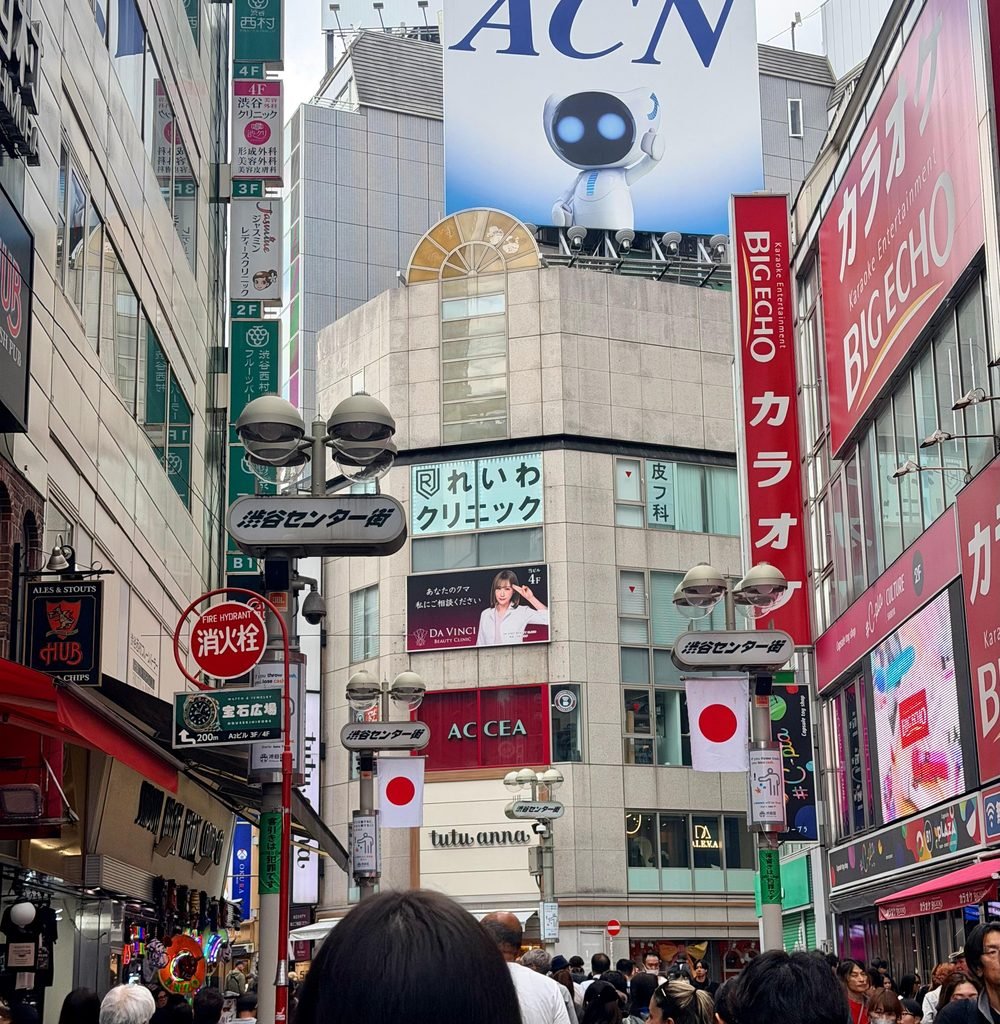
Overall, I found Tokyo a little more expensive than I had anticipated.
Eating out and buying groceries were the biggest surprises.
Even though we usually had breakfast at our apartment and didn’t take taxis, our spending outside flights and accommodation still went slightly over the budget I had originally set.
Of course, there were plenty of purchases and experiences I was happy with.
We found affordable and delicious sushi, and Hakone was somewhere I’d happily return to, even knowing the additional cost.
Disneyland was a different story. The weather meant we spent a fair amount of money without really being able to enjoy the experience.
If I visit Tokyo again, I’d like to spend a little less on accommodation.
Instead, I’d put more of my budget toward exploring cafés and dessert shops that I didn’t get to visit this time, as well as enjoying a few more good meals.
Looking back, I think the cost of a Tokyo trip can vary significantly depending on how you choose to spend your money.
Even when visiting the same city for the same number of days, different choices can lead to very different expenses and experiences.
At least from my own experience, Tokyo is a city where I’d recommend allowing a little more room in the budget for food and transportation than you might initially expect.