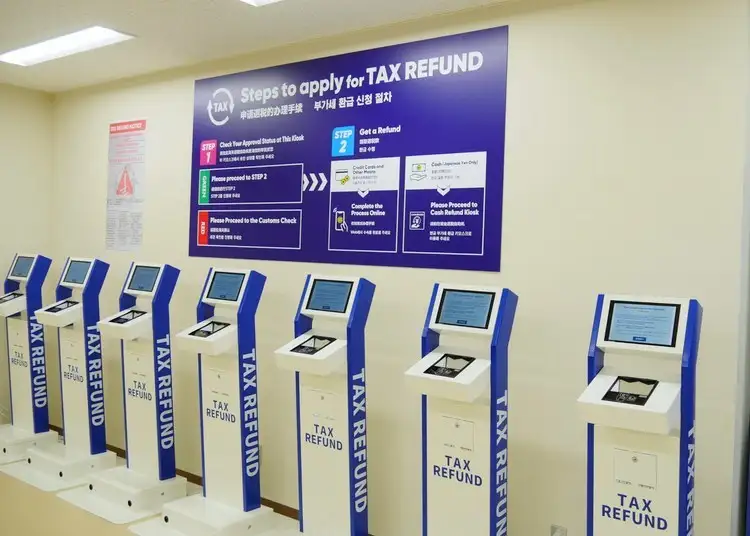
Japan changed its tax-free shopping system on November 1, 2026.
My recent trip to Tokyo happened just after the new system was introduced, so I ended up experiencing the new refund process myself.
Previously, travelers could receive the tax-free benefit directly at the store when spending over a certain amount. But under the new system, you have to pay the full price, including consumption tax, and get customs confirmation at the airport before receiving your refund when leaving Japan.
At first, I thought only the timing of the refund had changed.
But after using the new system, I found it much more complicated than I expected. Different stores used different refund companies, I had to check whether my purchases were registered correctly, and at the airport, I had to find several different refund machines.
Worst of all, I couldn’t get part of my refund because a store employee entered my information incorrectly.
What bothered me most wasn’t just the extra steps. It was the fact that customers could end up dealing with problems they hadn’t expected.
What Changed in Japan’s Tax-Free Shopping System?
Until October 2026, travelers could shop tax-free at designated stores in Japan when spending at least ¥5,000 before tax. Depending on the store, the consumption tax was either deducted at checkout or refunded immediately.
But starting November 1, Japan introduced a new system called the Refund Method.
Now, you have to pay the full price, including consumption tax, when purchasing an item. When leaving Japan, you need customs confirmation that you are taking the purchased goods out of the country. You also have to leave Japan within 90 days of the purchase.
Whatever the reason behind this change, it clearly adds another step for travelers.
And that wasn’t the only inconvenience I experienced.
I Registered My Purchases at the Store. Wasn’t That Enough?
When you ask for a tax-free refund at a store, the staff checks your passport and registers your information.
At the UNIQLO store I visited, there was a separate tax-free machine. I had to scan my passport and the barcode on my receipt myself, and then an employee entered a password to complete the process.
At other stores, employees entered details such as my name, passport number, and nationality into their system before giving me a receipt with a QR code.
So far, nothing seemed too difficult.
But completing the tax-free registration at the store didn’t mean everything was finished.
The stores I visited used different refund services, including J-TaxRefund and Global Blue.
Depending on the service, I had to visit a separate website, create an account, verify my identity, and register a card to receive the refund.
Some services offered options such as credit cards and Alipay. There was also different information about fees depending on the type of card.
After registering, I could see the stores where I had made purchases and the expected refund amounts.
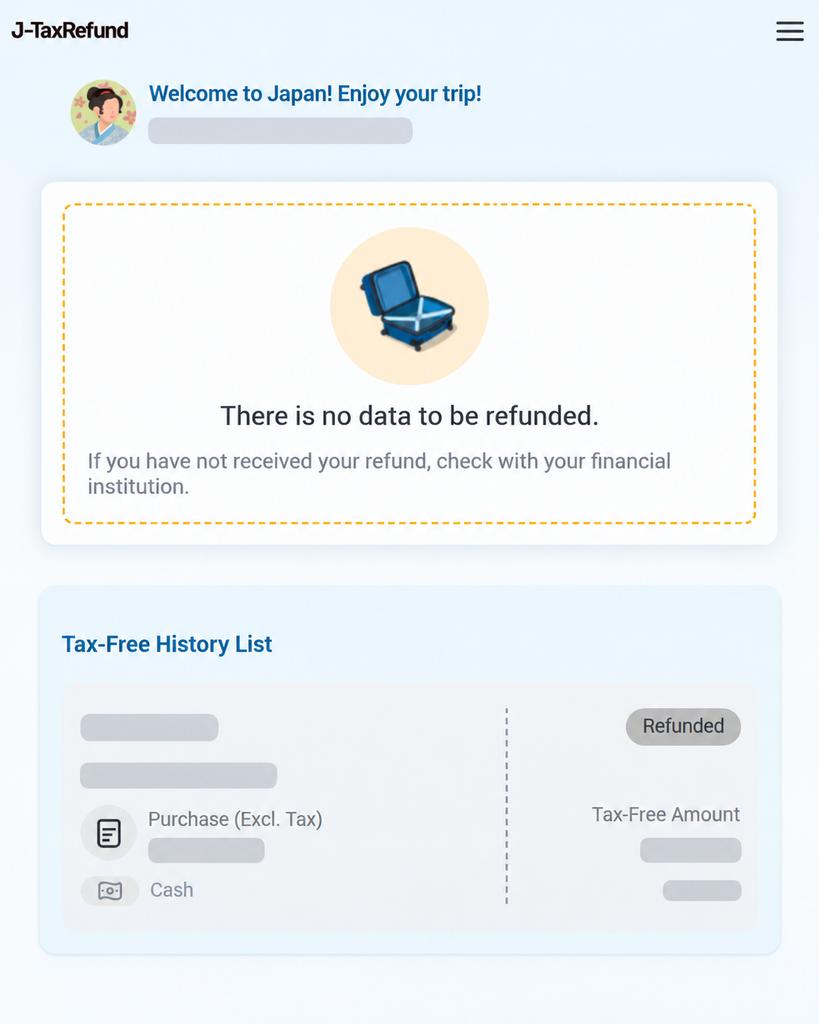
The problem was that when I shopped at stores using different refund companies, I had to go through these steps separately.
Every time I bought something, I needed to check which refund company the store used, visit the relevant website, and make sure my purchase appeared correctly.
At first, I didn’t think I needed to do all that.
After all, the store employee had checked my passport and entered my information. I naturally assumed everything had been registered correctly.
But I was wrong.
I Lost Part of My Refund Because of an Employee’s Mistake
Towards the end of my trip, I checked my refund records and noticed that some of my purchases hadn’t been registered correctly.
It turned out that a store employee had entered my nationality incorrectly.
The country name was misspelled, so the registered information didn’t match my passport. As a result, I couldn’t proceed with the refund for that purchase.
By the time I discovered the problem, I was already about to leave for the airport. I didn’t have time to return to the store and ask them to correct it.
In the end, I couldn’t get that money back.
Of course, employees can make mistakes. The system had only recently been introduced, and Tokyo was crowded almost everywhere I went. Store employees were probably dealing with large numbers of customers while trying to learn a new process.
But I still found it difficult to accept that customers had to check every detail entered by the staff.
I had shown my passport at the store and completed the tax-free registration.
Yet I was the one who ended up losing money.
After this experience, I realized how important it is to check whether your purchase has been registered correctly as soon as you finish the tax-free process at the store.
If something is wrong, you can ask the staff to correct it right away. But if you discover the problem at the end of your trip, you might not have enough time to fix it, just like me.
Getting My Refund at Narita Airport Was Another Problem
The airport process was also more complicated than I expected.
I used Narita International Airport, Terminal 1.
When I arrived on the fourth-floor departure level, there were signs for tax refunds and many travelers going through the process.
Following the staff’s instructions, I first went to the customs confirmation area.
At the machine marked Step 1, you scan your passport, and either a green or red indicator appears.
If you get a green indicator, the customs confirmation is completed without an additional physical inspection. If you get a red indicator, you have to move to a designated area and have your purchased items inspected.
I didn’t see anyone get a red indicator while I was there. However, I don’t know exactly how people are selected for inspection.
The passport scanning itself was very quick, and the line moved faster than I expected.
After completing customs confirmation, I followed the arrows to the Step 2 refund machines, where I had to scan my passport again.
And this was where something unexpected happened.
I had already registered my credit card on the refund company’s website, so I naturally expected the money to be refunded to my card.
But the machine suddenly gave me Japanese yen in cash.
When I asked a staff member why, they told me there might have been an error during the card registration process.
What made it even more confusing was that some purchases registered with the same refund service were paid out in cash, while others were processed as card refunds.
I couldn’t find out exactly why the refund methods were different.
I was already leaving Japan that day, so receiving unexpected cash in yen was inconvenient. I had taken the time to register my card, but the refund was processed differently from what I expected.
And the refund process still wasn’t over.
For another refund company I had used, I had to go through security and departure immigration before using a separate refund machine.
So after completing customs confirmation and receiving some of my refund on the departure level, I had to find another machine after immigration.
And once again, I received cash.
I somehow ended up with more and more Japanese yen in cash right before leaving the country. It was ridiculous.
The airport was already crowded and busy, and having to move between different locations depending on the refund company made the whole process even more frustrating.
One important thing to know is that customs confirmation and receiving your refund are two separate steps. Customs confirmation must be completed before checking in any tax-free goods as luggage, while the actual refund machines may be located before or after security depending on the refund company.
If I had known this difference before arriving at Narita Airport, I think the process would have been a little less confusing.
What to Check When Shopping Tax-Free in Japan
After this experience, there are a few things I would definitely check if I went tax-free shopping in Japan again.
First, check your refund records immediately after making a purchase.
This is what I regret most. Even if the employee tells you the registration is complete, it’s worth checking the refund company’s website to make sure your purchase and passport information have been recorded correctly.
If the purchase doesn’t appear right away, ask the store to confirm whether the registration was successful.
Second, check the refund company and payment method.
If you shop at several stores, they may use different refund companies. Check whether you need to create an account, register a card, or pay any fees.
As I experienced, you might also receive cash even after registering a card, so it’s worth checking how your refund will be processed.
Third, allow extra time at the airport.
You need to complete customs confirmation before checking in your tax-free goods as luggage. If you’re selected for an inspection, you may have to show the actual items.
I hardly saw anyone having their purchases inspected at the airport, but that doesn’t mean inspections don’t happen.
Even after customs confirmation, you might need to go to a different location to receive your refund, depending on the company. Checking where you need to go in advance can save some confusion.
After Trying Japan’s New Tax-Free Refund System
After experiencing Japan’s new tax-free refund system, I found the previous system much more convenient.
I understand that the new system had only recently been introduced. But I still find it difficult to accept that customers may have to deal with financial losses caused by a store employee’s mistake.
It was also frustrating to have to keep checking whether my refund would actually go through, even after I had finished shopping.
At least the next time I visit Japan, I’ll check my refund records before leaving the store.