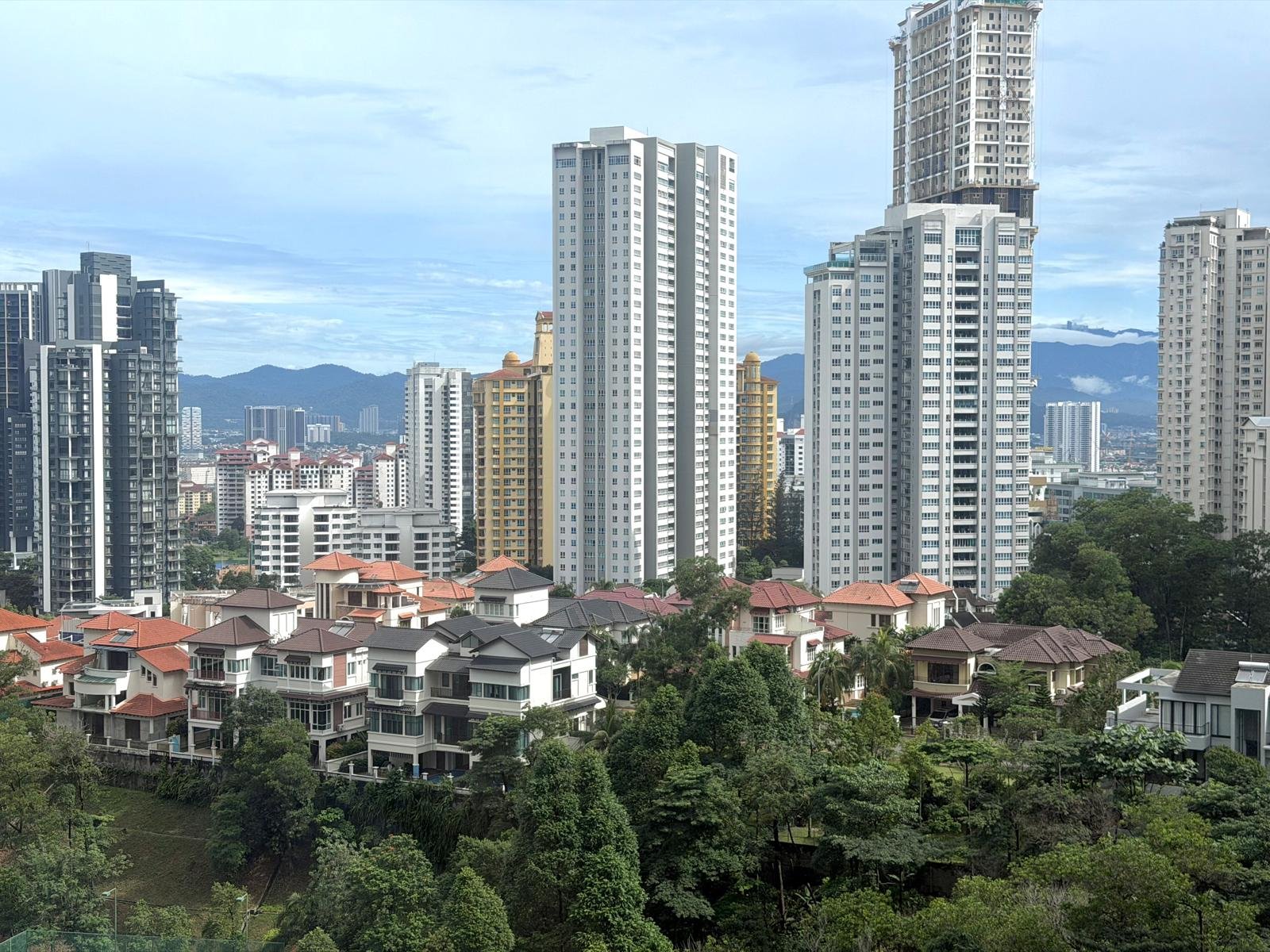
Mont Kiara is one of Kuala Lumpur’s best-known upscale residential neighborhoods, particularly popular with expatriates. But what is everyday life really like in a place where almost everything you need is close at hand? Drawing on my own experience and the observations of a family member who has lived here for nearly four years, I wanted to take a closer look at both the convenience of Mont Kiara and what lies behind it.
Mont Kiara is one of the areas in Kuala Lumpur that feels most familiar to me.
I’ve visited five times so far, and I’ve now been living here for about two months. This article brings together my own experiences and those of a family member who has lived in the neighborhood for almost four years.
If I had to choose where to live in Kuala Lumpur again, I would probably choose Mont Kiara.
That doesn’t mean I think it’s perfect.
Traffic can be terrible, eating out isn’t particularly cheap, and getting around without a car is more inconvenient than you might expect. Even so, daily life in Mont Kiara feels remarkably convenient and comfortable.
Upscale condominiums, villas, international schools, restaurants serving food from around the world, supermarkets stocked with imported products, and a wide range of services catering to international residents.
Mont Kiara has many of the things that make settling into life in a foreign country easier.
But living here has also made me wonder about something.
Does living in an environment designed to make life so convenient for foreigners necessarily mean experiencing the country more deeply?
In this article, I want to look at Mont Kiara’s housing, cost of living, transport, and everyday amenities, but also explore what it means to live inside what’s often called an expat bubble.
Why Did I Choose Mont Kiara?
Even before I first came to Kuala Lumpur, I knew that Mont Kiara was considered an upscale residential neighborhood popular with expatriates.
You can get a sense of that just by looking around.
There are noticeably large numbers of luxury cars in condominium parking areas, and it’s common to see people carrying designer handbags or wearing luxury accessories in nearby restaurants and shopping malls.
Of course, appearances alone don’t tell us much about someone’s actual financial situation. Still, in my experience, Mont Kiara has a distinctly upscale atmosphere, not only in its residential buildings but also in its shops and the way people spend their money.
When looking for a place to live, I also considered Bangsar. Both neighborhoods are known to be popular with expatriates, but they felt quite different when I visited them.
Some parts of Bangsar that I explored felt a little more relaxed and less structured than Mont Kiara. Mont Kiara, on the other hand, has a concentration of modern high-rise condominiums and commercial buildings, giving it a more polished overall appearance.
My priorities when choosing a neighborhood were fairly straightforward.
The first was security. Living in a foreign country, I wanted a residential environment with controlled access where I could feel safe.
The second was everyday convenience. I preferred somewhere with restaurants, supermarkets, and other essential services nearby rather than a place where I would have to travel a long distance for everything.
Mont Kiara seemed to meet both of these requirements quite well.
There was also an advantage I hadn’t really expected: the Korean business community.
Around Solaris Mont Kiara, there are numerous Korean restaurants, grocery stores, and other services catering to Korean residents.
At first, I was excited by the idea of having so many Korean restaurants nearby. In reality, I don’t visit them as often as I thought I would. But as a Korean, simply knowing that familiar food and ingredients are readily available is a significant advantage for me.
My first impression of Mont Kiara was positive, too.
High-rise condominiums and villas, visible security facilities, restaurants and cafés with modern interiors, and commercial areas with outdoor seating.
At least when I first visited, Mont Kiara seemed like a place that offered many of the conditions needed for a comfortable life abroad.
Almost Everything You Need Is Nearby
One of the things I appreciate most about living in Mont Kiara is how many everyday amenities are concentrated within a relatively small area.
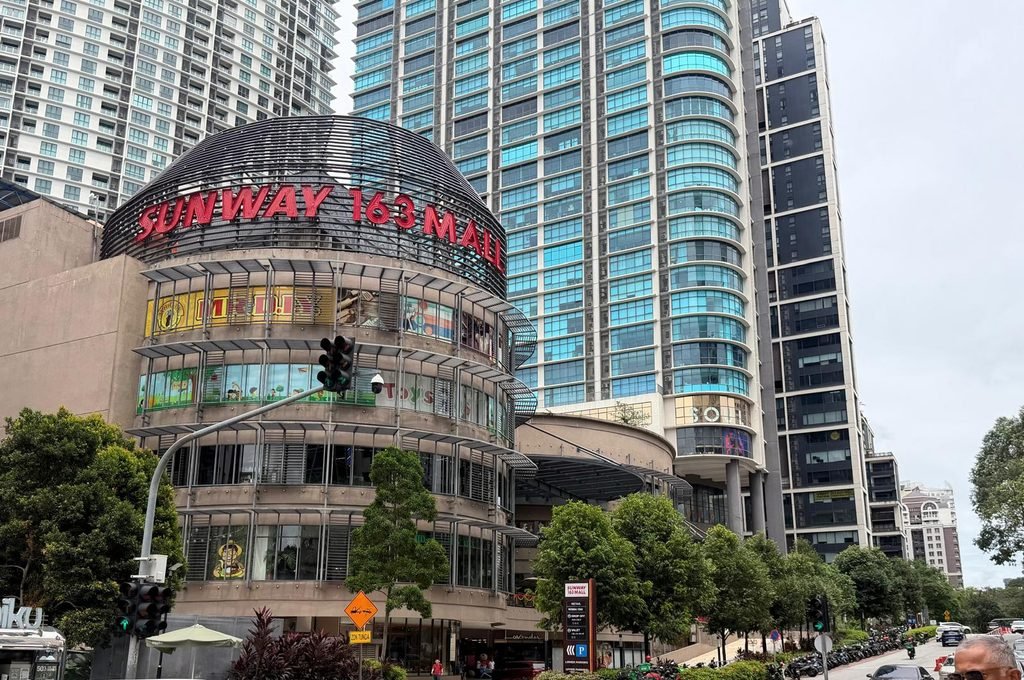
The places I visit most often are Solaris, 163 Retail Park, and Publika, which is located near Mont Kiara.
I visit each of them for slightly different reasons.
I mainly go to 163 for meals or grocery shopping. Publika is another place I regularly visit for its supermarket and restaurants. Solaris has a wide selection of Korean restaurants and grocery stores, along with cafés where I can spend some quiet time.
The variety of food is impressive.
Korean, Japanese, Chinese, Italian, and Mexican food, burgers, bakeries, and many other options are easy to find.
Having several supermarkets that stock imported groceries is particularly convenient.
At BIG in Publika and nearby supermarkets such as Jaya Grocer, I can find a wide range of imported products. Cheese, yogurt, Western ingredients, and Korean groceries are all available without having to travel far.
Of course, that doesn’t mean I can buy absolutely everything within Mont Kiara.
For example, when I need a wider selection of household items, I sometimes visit the large MR.DIY store in nearby Sri Hartamas. For electronics or more extensive shopping, I head to larger malls in other parts of the city, such as TRX.
But most of the things I do regularly, including grocery shopping, eating out, visiting cafés, and using beauty services, can be taken care of nearby.
Using English is also easy.
In the restaurants and shops I’ve visited, I’ve had no difficulty ordering food or asking questions in English. Staff members’ English abilities vary, but everyday communication has generally been straightforward.
These might seem like small conveniences.
But when you live abroad, you begin to appreciate how much it matters to find familiar food, buy what you need nearby, and use everyday services without struggling to communicate.
In that sense, Mont Kiara takes a considerable amount of effort out of daily life.
What Is It Really Like to Live in an Upscale Condominium?
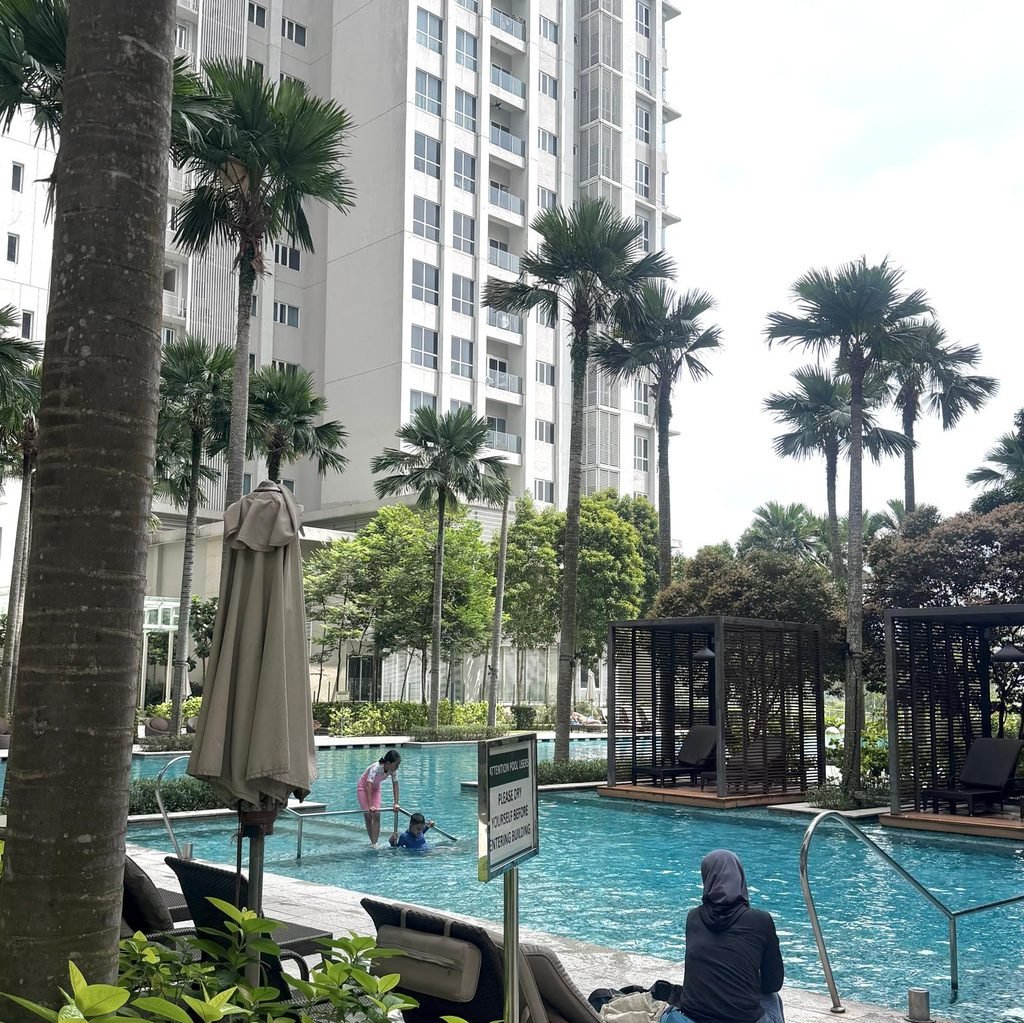
Mont Kiara has many condominiums with swimming pools, gyms, security facilities, and shared spaces.
The condominium where I’m currently staying has these facilities as well.
What I appreciate most is the security and building management.
Access for visitors is controlled, and receiving parcels and food deliveries is convenient. Shared areas are generally well maintained, and pest control is carried out regularly every week.
In a hot and humid tropical climate like Malaysia’s, pest control is important. Fortunately, I haven’t experienced any major problems with it in my current building.
There are also tennis facilities, a swimming pool, and a gym.
I used the swimming pool quite often at first, but I’ve gradually been going less. The gym, on the other hand, remains genuinely useful.
The equipment isn’t particularly extensive, but I like being able to exercise without paying for a separate membership. Gym memberships at well-equipped fitness centers in Malaysia, such as Fitness First, can be quite expensive.
These facilities feel less like extravagant luxuries and more like practical features that make everyday life easier.
However, living in an upscale condominium doesn’t necessarily mean everything inside the apartment is of equally high quality.
In the apartment I’m currently renting, I’ve sometimes been disappointed by the interior finishes and the quality of the furniture. The kitchen sink seems to mark easily, and some parts of the doors and flooring appear to wear out relatively quickly.
I’ve also occasionally found cockroaches, and the internet connection can be unstable.
Once, when the air conditioner broke down, I contacted the landlord. The repair was arranged quickly, but the replacement was a second-hand unit rather than a new one.
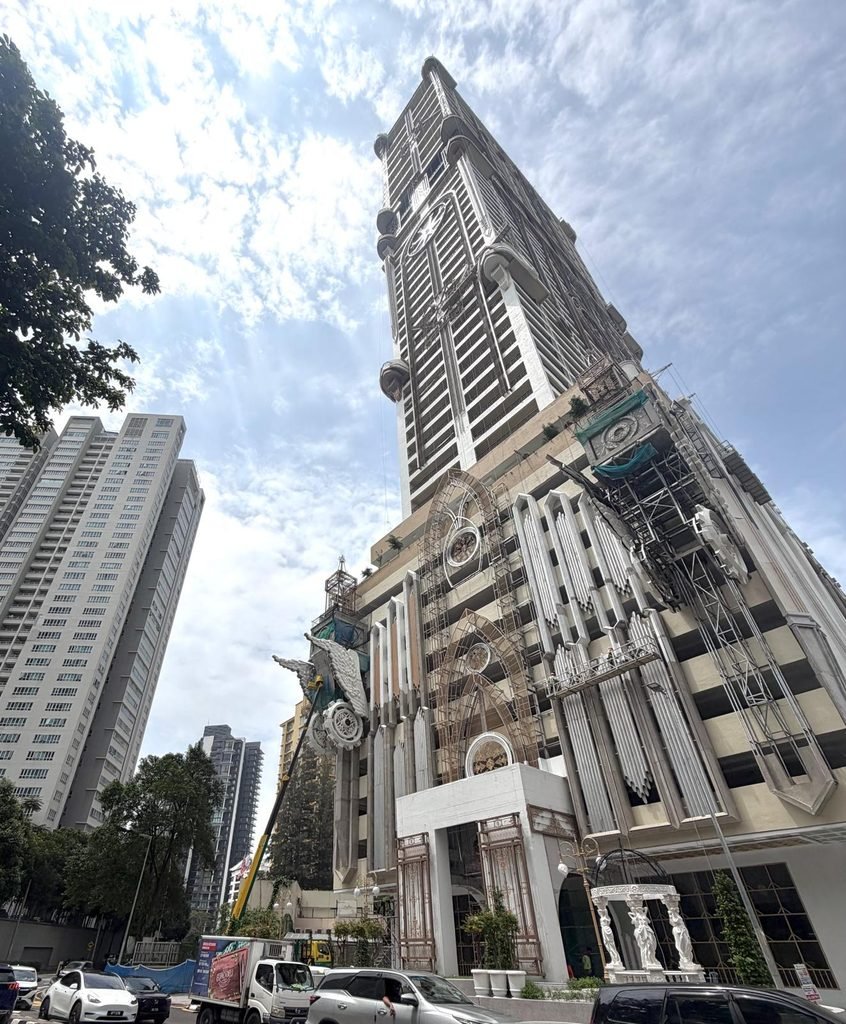
Construction is another consideration.
New condominiums are constantly being built around Mont Kiara, and several large construction projects are currently underway near where I live.
So while the neighborhood offers attractive residential facilities, there are also things that can be disappointing.
If you’re looking for a home in Mont Kiara, I wouldn’t recommend making a decision based only on an impressive lobby or swimming pool.
It’s important to check the actual condition of the apartment, the building’s management standards, nearby construction, pest control, and your daily commute.
Given how heavy traffic can be in Mont Kiara, the exact location of your home can make a bigger difference than you might expect.
How Expensive Is It to Live in Mont Kiara?
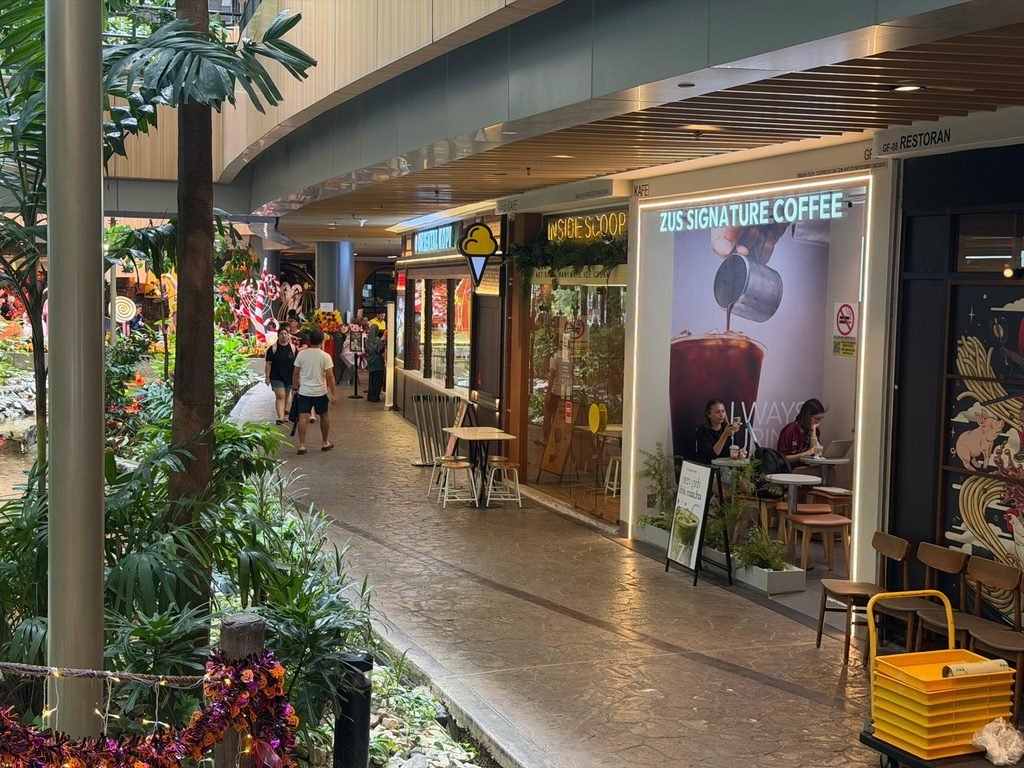
Mont Kiara is known as one of Kuala Lumpur’s more expensive residential neighborhoods.
The monthly rent for the apartment I’m currently living in is around RM6,000.
However, I haven’t personally rented a home in other parts of Kuala Lumpur, so it’s difficult for me to make an accurate comparison of rental prices across neighborhoods.
What I can share are some of the prices I’ve actually encountered in everyday life.
| Item | Approximate Price |
|---|---|
| Eggs (10) | RM8 |
| Iced Americano | RM16–19 |
| Typical Korean meal | RM26–30 |
| Cheese | RM26 |
| Tomatoes (100 g) | RM1.50 |
| Canned tuna | RM8 |
| Cabbage (2 kg) | RM6 |
| Milk (1 L) | RM10 |
These are examples of prices I’ve personally paid or checked. They may vary depending on the store and when you shop.
Eating at international restaurants, particularly Italian or Mexican restaurants, can sometimes feel quite expensive.
A 10% service charge is also added separately at many restaurants, meaning the final bill can be higher than the prices shown on the menu.
That said, I wouldn’t necessarily claim that every restaurant in Mont Kiara is more expensive than those elsewhere in Kuala Lumpur.
When I’ve eaten at shopping destinations such as Pavilion or around the Petronas Twin Towers, I’ve come across plenty of restaurants in similar price ranges.
To me, the difference is less about individual prices and more about the kinds of businesses concentrated in the neighborhood.
Mont Kiara has a large selection of modern restaurants, cafés, supermarkets, hair salons, aesthetic clinics, and other lifestyle services.
Restaurant staff have generally been friendly, and many establishments are clean and well maintained.
However, when calculating the cost of living in Mont Kiara, it’s important to consider more than rent and dining expenses.
Because public transport isn’t particularly convenient, spending on Grab or a private car can also make up a significant part of your budget.
Parking fees are another expense that can add up if you frequently drive to shopping malls. Unlike in some other countries, you generally still have to pay for parking even when you’ve made purchases at the shops.
Despite these costs, I’m personally quite satisfied with the convenience and level of service available in Mont Kiara.
Although I feel that living costs in Malaysia have increased, compared with my experience of living in Europe, I still find that a wide range of services is available at relatively reasonable prices.
Ultimately, what matters isn’t simply whether somewhere is cheap, but what kind of living environment you get for the money you spend.
Why Is Getting Around So Difficult in Such a Convenient Neighborhood?
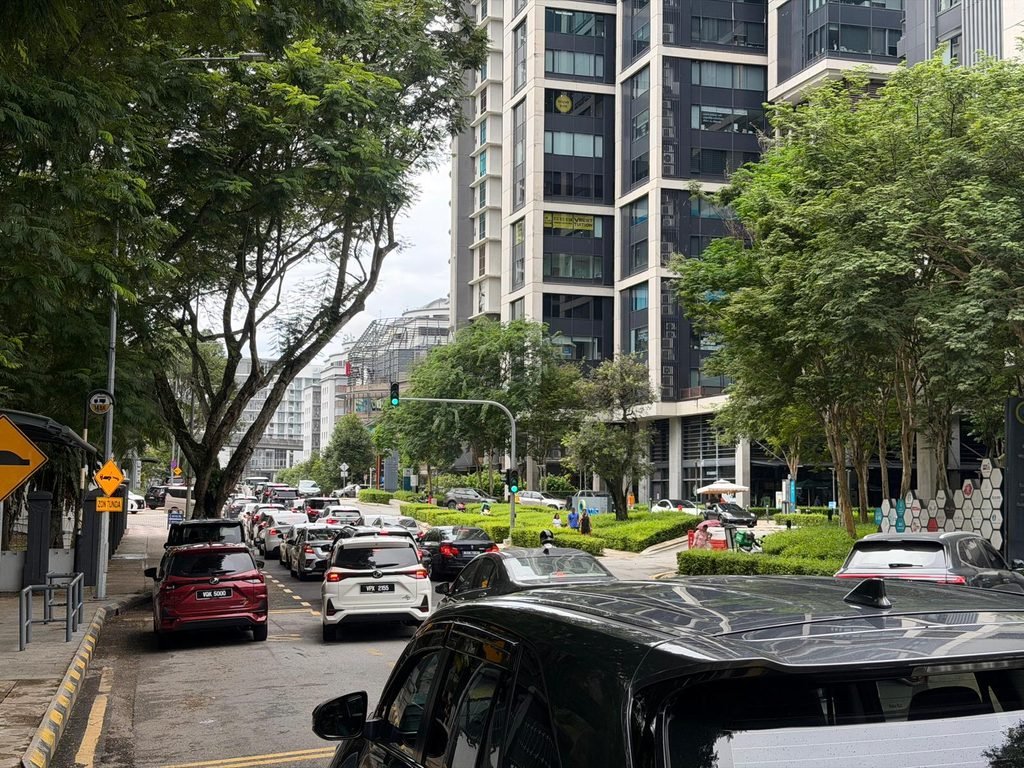
The thing I find most frustrating about living in Mont Kiara is the transport situation.
What’s interesting is that even though so many everyday amenities are nearby, getting from one place to another isn’t always easy.
I’ve always enjoyed walking.
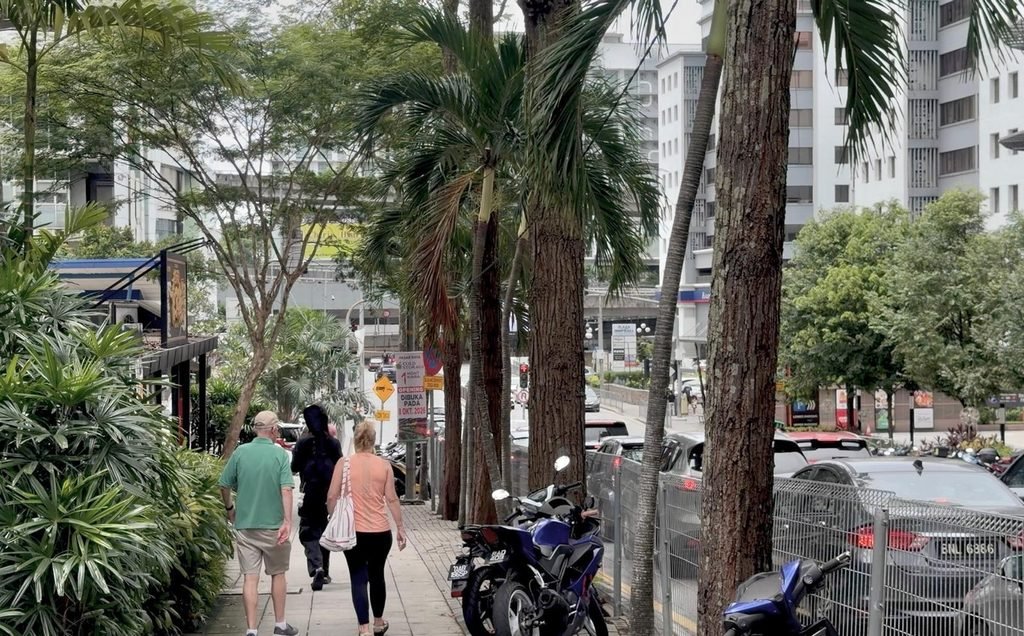
From where I currently live, Solaris is about a 15-minute walk, Publika takes around 25 minutes, and 163 is roughly 25 to 30 minutes away.
So when the weather is pleasant, I walk to restaurants, cafés, and supermarkets.
But Mont Kiara is quite hilly.
When I’m carrying heavy bags or the weather is particularly hot, walking home isn’t easy. On days when I’ve bought a lot of groceries, I almost always end up taking a Grab.
The pedestrian infrastructure isn’t perfect either.
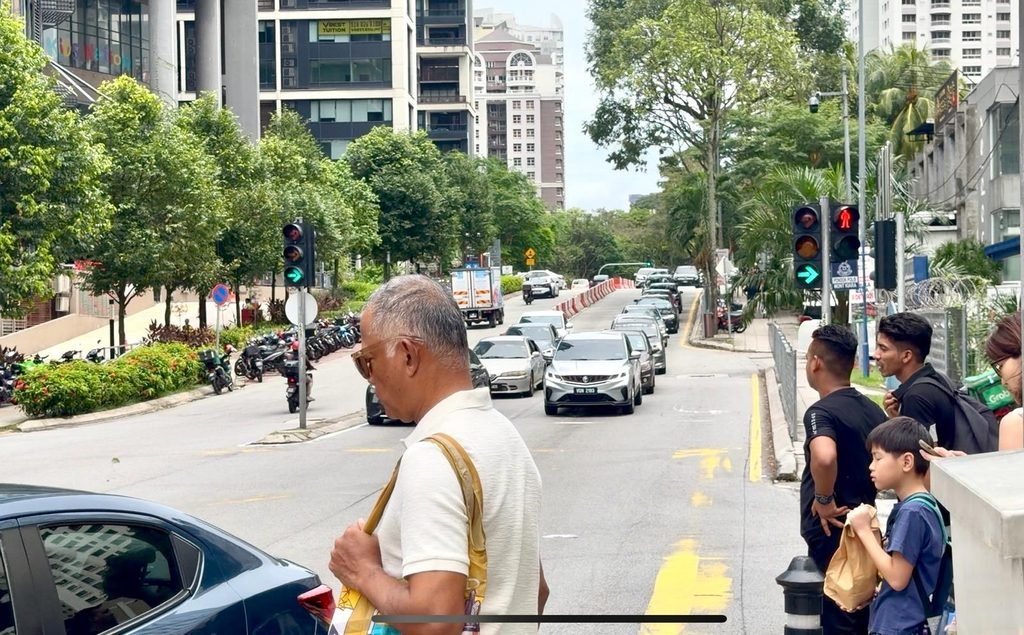
Some stretches have proper sidewalks, but there are also places where I need to cross the road without a nearby pedestrian crossing or traffic light. With so many cars and motorcycles on the roads, crossing requires considerable care.
During the middle of the day, the heat makes walking difficult, and sudden rain showers are common. Having many places within walking distance isn’t the same as living in a genuinely walkable neighborhood.
In the evening, however, walking becomes much more pleasant once the heat starts to ease. It’s actually my favorite time of day in Mont Kiara.
Public transport access is another drawback.
For the places I regularly visit, traveling by car or Grab is far more practical than using trains or buses.
Buses do run through the area, but the connections to other destinations aren’t particularly convenient. Even after taking a bus, I may still have to walk a considerable distance or take another taxi. There also isn’t a convenient rail connection for most of my everyday journeys.
As a result, without a car, it’s easy to become heavily dependent on Grab.
Then there’s the traffic.
Roads can become extremely congested during commuting hours, and traffic sometimes builds up around lunchtime as well.
Grab fares can vary significantly depending on the time of day. During peak hours, a journey of around 20 minutes can cost close to RM30, almost twice the usual fare.
For these reasons, I wouldn’t say it’s impossible to live in Mont Kiara without owning a car.
But I also wouldn’t describe it as a neighborhood where getting around without one is consistently convenient or affordable.
That’s one of the clearest things I’ve learned from living here.
Why Is Mont Kiara Called an Expat Bubble?
One thing that’s difficult to overlook when talking about Mont Kiara is how much of the neighborhood caters to international residents.
Walking around, you can easily hear several different languages.
There are families of different nationalities, people who appear to be expatriates, facilities associated with international schools, and businesses and services catering to foreign residents throughout the area.
Of course, Kuala Lumpur itself is a multicultural city where many ethnicities and cultures coexist. You can’t reliably distinguish locals from foreigners based on appearance or language alone.
Even so, Mont Kiara gives me the impression of having an unusually high concentration of facilities aimed at international residents.
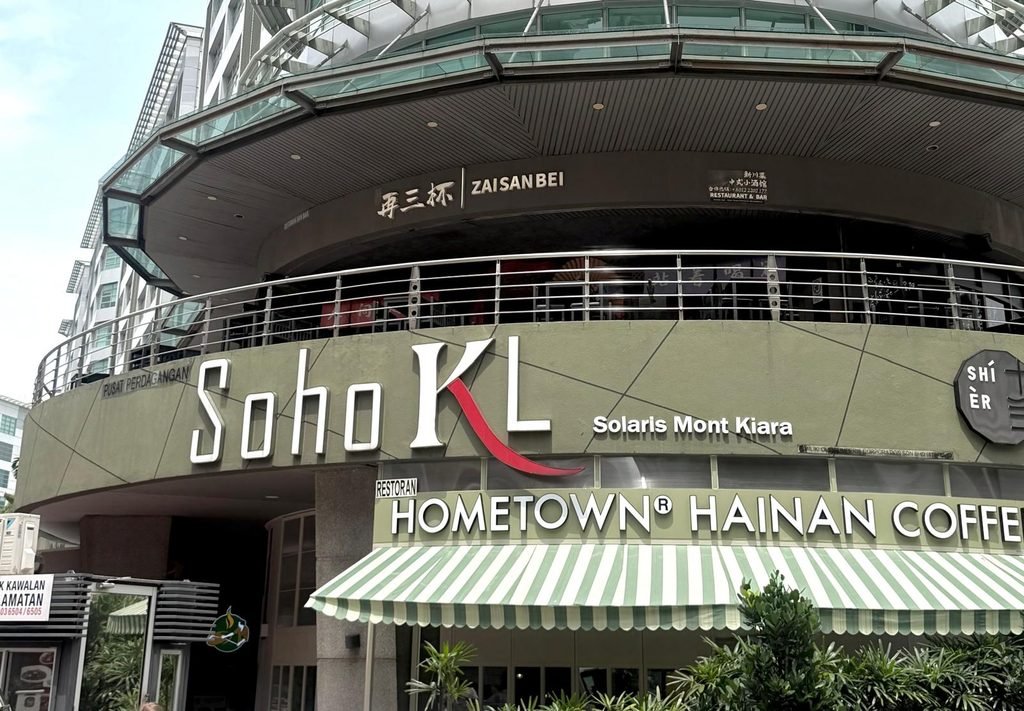
The Korean business community around Solaris is a good example.
Alongside Korean restaurants and grocery stores, there are dental clinics, traditional Korean medicine clinics, and real estate services catering to Korean residents.
Sometimes, walking through Solaris almost feels like being in a commercial neighborhood in Korea.
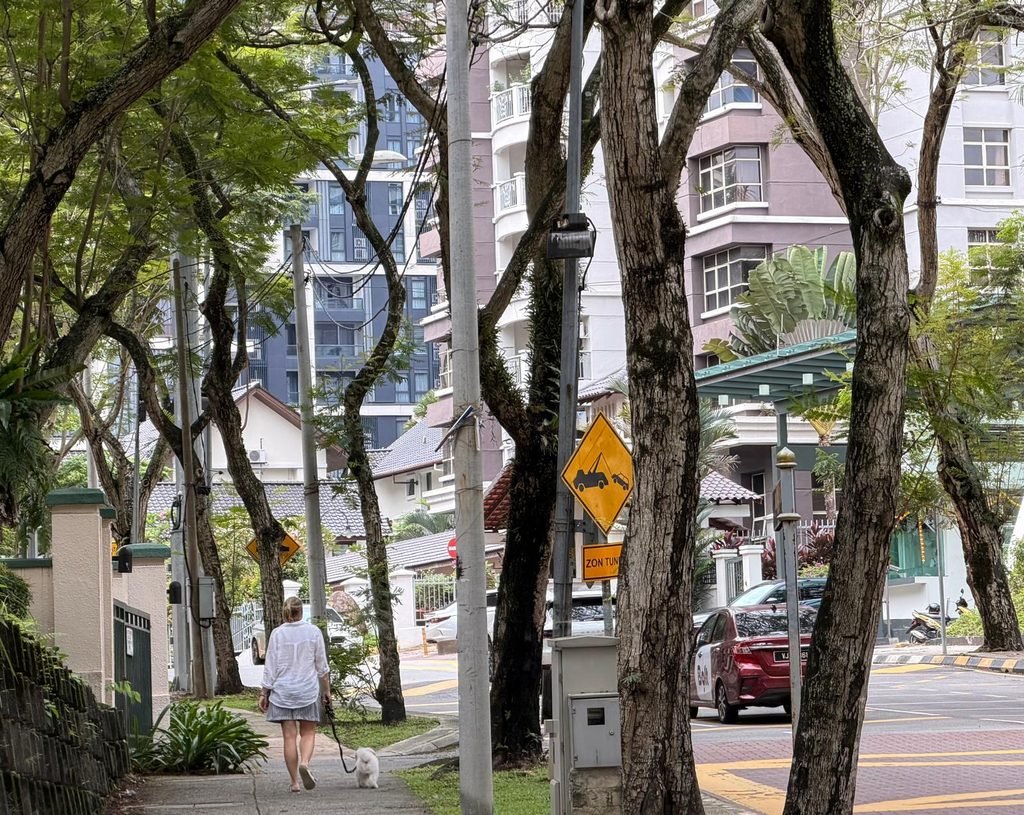
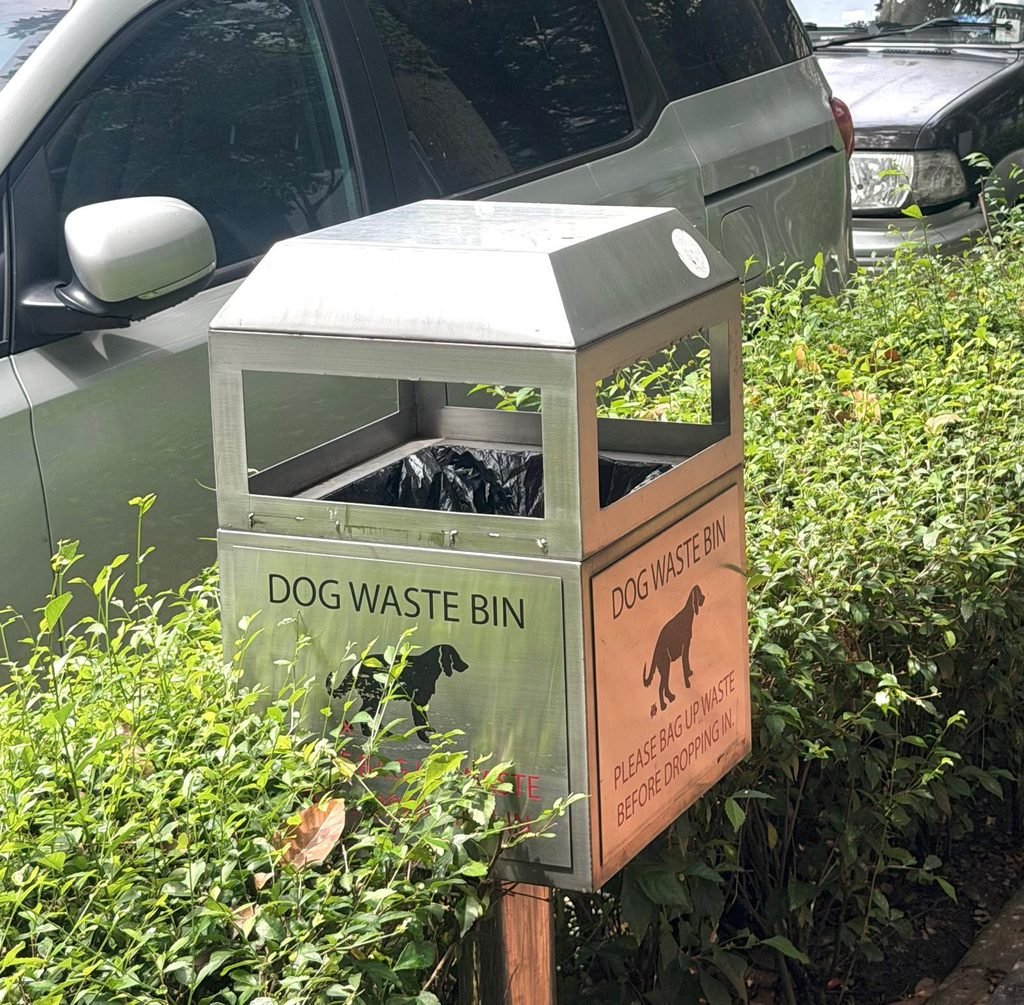
Another interesting aspect is the local dog-owning culture.
Islam is Malaysia’s official religion, and many Muslims are reluctant to keep dogs as pets because of religious customs. Perhaps partly because of this cultural background, I hadn’t seen people walking dogs in some of the other areas of Kuala Lumpur I’d visited.
But in Mont Kiara, I noticed something different.
It was here that I first started seeing people out walking their dogs.
Both small and large dogs are a fairly common sight.
There are even facilities along the streets for disposing of dog waste.
Small details like these offer a glimpse into the kinds of residents the neighborhood has developed around.
Mont Kiara also provides opportunities for international residents to meet and socialize.
For example, there’s a football facility around 163 Retail Park where I’ve seen groups of people from different nationalities, including Koreans, playing together.
Places like this can become more than just somewhere to exercise. They also offer opportunities for people with shared interests to meet and connect.
Sometimes, you might even run into someone you know through an international work environment while going about your day. With many foreign residents living in the same area, there are more opportunities for these casual encounters.
Of course, living somewhere with a large international community doesn’t automatically mean you’ll make new friends.
I haven’t actively tried to make many friends here or become involved in a large community myself.
Still, I think having a familiar living environment and opportunities to connect with others nearby can make adjusting to a new country less overwhelming.
Is There Something You Miss by Living Inside an Expat Bubble?
Living in Mont Kiara doesn’t make me forget that I’m in Malaysia.
The weather, the streets, and the everyday surroundings are clearly different from those in Korea or Europe.
But it’s possible to maintain a very comfortable lifestyle here without regularly exploring other parts of Malaysia.
Korean groceries and food from many different countries are easy to find. English is enough for most everyday interactions. I can visit familiar shopping malls and cafés, and have the things I need delivered.
As a result, I find myself spending most of my time in Mont Kiara and the surrounding neighborhoods.
There’s simply no pressing need to travel elsewhere to seek out local restaurants or discover new places when everyday life is already so convenient.
In fact, I tend to visit familiar, comfortable restaurants more often than Malaysian street food stalls.
Of course, beyond Mont Kiara there are neighborhoods with different atmospheres, foods, and ways of life.
But when your daily routine revolves around the same small area, your experience of Kuala Lumpur inevitably becomes limited to just one part of the city.
I don’t necessarily think that’s a bad thing.
An expat bubble can provide a great deal of stability and reassurance for someone adjusting to life in a new country.
For me, Mont Kiara offers exactly that kind of comfort. I’m genuinely happy with the living environment here.
Still, there’s one thing I keep thinking about.
The more convenient life becomes, the fewer reasons there are to leave what’s familiar.
In the end, what Mont Kiara’s expat bubble means to me will probably depend on whether I choose to explore different experiences while continuing to enjoy the convenience it offers.
Would I Choose Mont Kiara Again?
Based on my experience so far, the answer is yes.
Despite the heavy traffic, relatively high living costs, and inconvenient public transport, I think I would still choose Mont Kiara.
I believe it’s particularly well suited to expatriate families, people who prioritize security and everyday convenience, and families who need access to international schools.
It can also be an attractive option for those who enjoy having a wide variety of restaurants and imported groceries nearby, or who want to make use of the facilities within their condominium.
People living with dogs may also find it worth considering.
On the other hand, it may not be the best choice for someone trying to keep living costs as low as possible, someone whose workplace is far away, or someone who wants to rely primarily on public transport.
Before signing a rental agreement, I would especially recommend checking the traffic conditions during your actual commuting hours and looking closely at the pedestrian environment around the property.
Sometimes I find myself wondering:
How comfortable would it be to spend my retirement years here?
But at the same time, that comfort makes me think about something else.
The upscale residential environment is undoubtedly one of the reasons I like Mont Kiara.
Yet the more accustomed I become to it, the more I wonder whether what I really enjoy is life in Malaysia itself, or the particular environment that Mont Kiara has developed to make life convenient for foreigners.
Part of me worries that this convenience might eventually become the standard by which I judge everywhere else.
When I can meet almost all my needs within a familiar neighborhood, and there are fewer occasions when I have to deal with inconvenience, could I gradually become too comfortable staying within that environment?
And if I move to another country someday, will I still be able to feel satisfied living somewhere that doesn’t offer the same level of convenience?
Will I be able to find somewhere I like even more?
I don’t know yet.
What I do know is that Mont Kiara has become more than simply a place where I’m staying.
It’s also influencing my expectations of the kind of environment I want to live in in the future.
Whether those expectations will help me build a better life or keep me attached to familiar comforts is something I’ll have to find out over time.