Before coming to Malaysia, the image I had of the country was quite simple.
A Southeast Asian country that is hot and humid all year.
I thought first about holiday destinations, food, and shopping. I did not really know what everyday life here would actually feel like.
But after spending time in Kuala Lumpur, the capital of Malaysia, I found quite a few things that were different from what I expected.
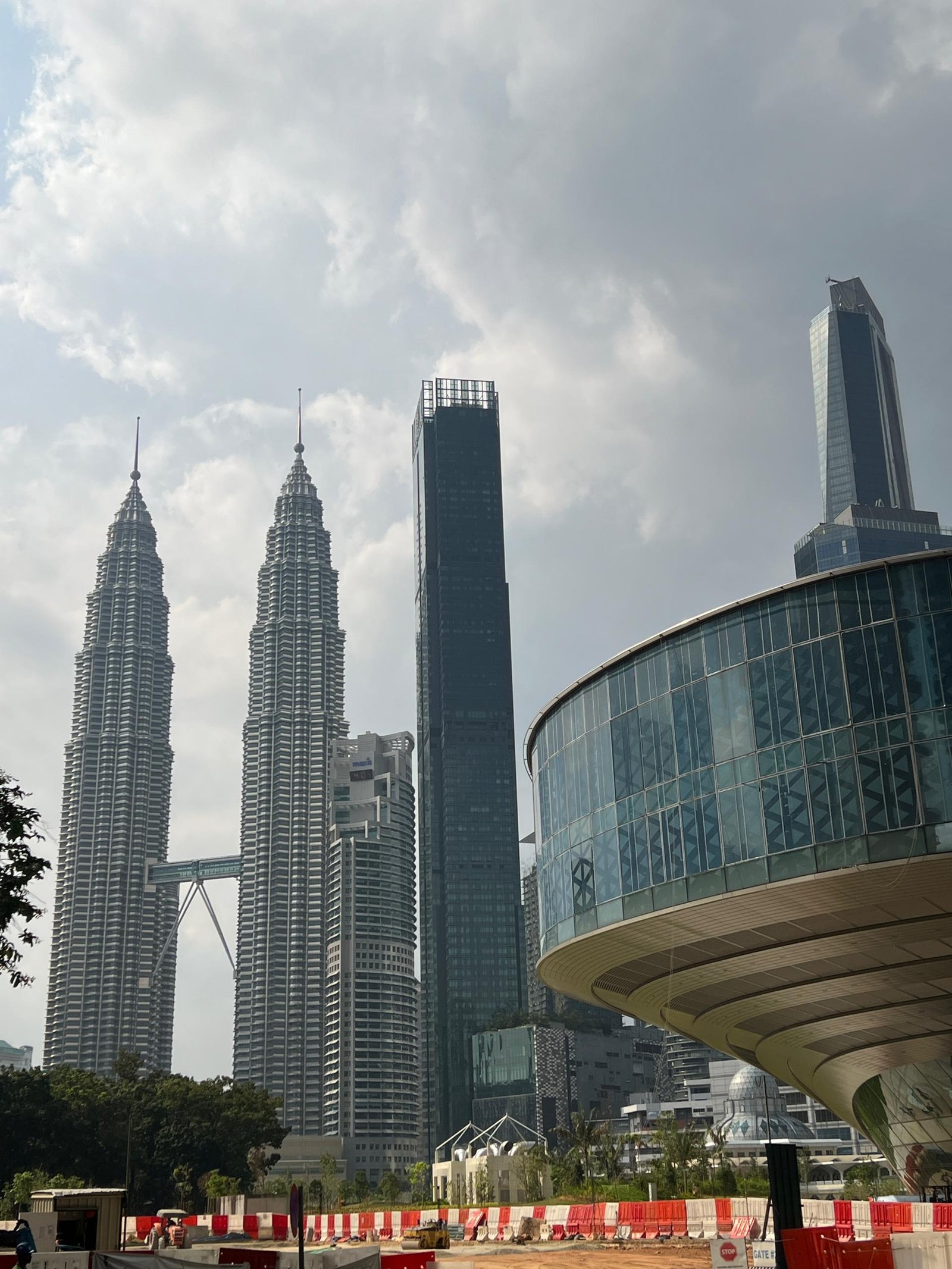
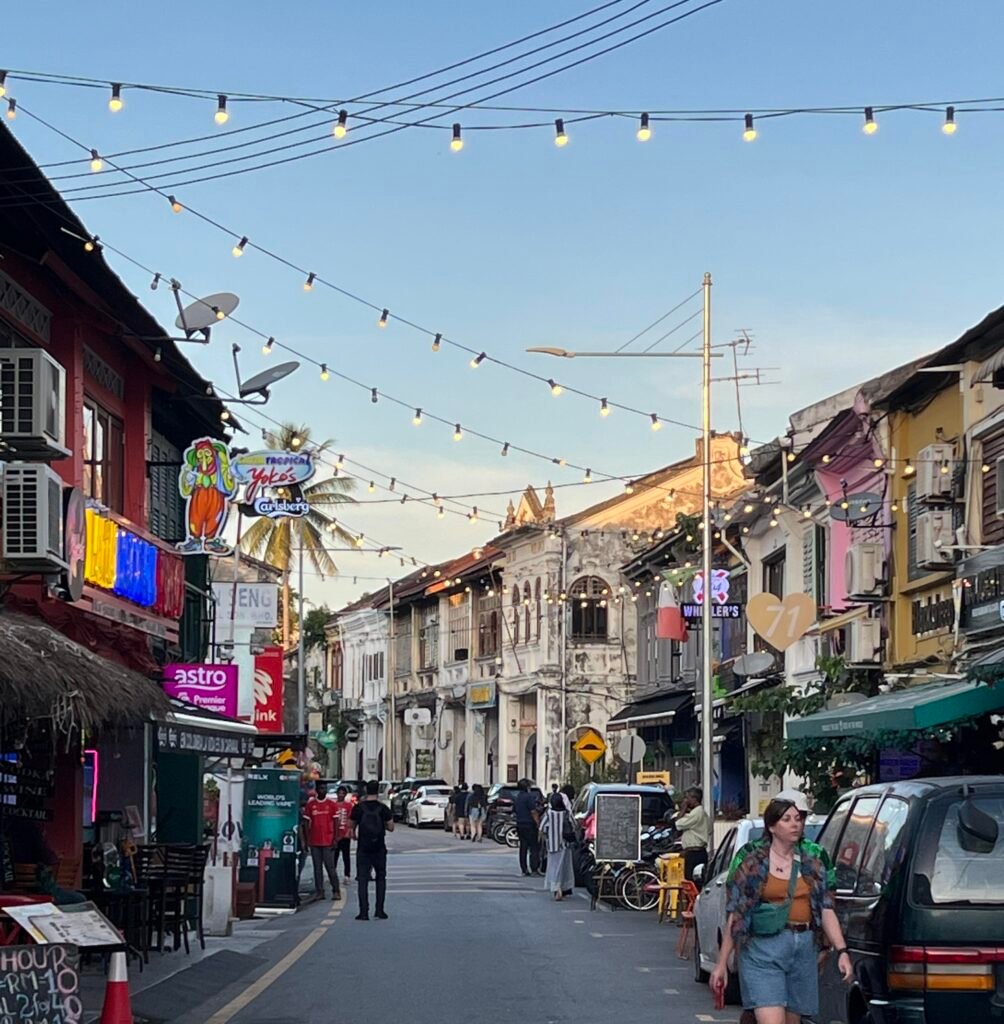
High-rise condos and large shopping malls are everywhere, and you hear different languages around the city. People from many different backgrounds live here, and English is naturally used in everyday life. Kuala Lumpur is a multicultural city where Malay, Chinese, Indian, and other communities live together.
What I found most interesting was that some things I worried about before coming here were easier to get used to than expected.
At the same time, there were other things I had barely thought about before coming, but found uncomfortable once I actually lived here.
You really cannot know everything about a place before experiencing it yourself.
So in this post, I wanted to write about the things that felt easier than expected, and the things that were more difficult, while actually living in Kuala Lumpur.
Easier than expected 1. Living with the hot weather
Malaysia is hot and humid all year.
Before coming here, I wondered if I would feel exhausted by the heat every day.
But living in Kuala Lumpur was a little different from what I imagined.
During the hottest part of the day, you do not actually see that many people walking outside for a long time.
People travel by car, motorbike, or Grab, and spend a lot of time inside malls and other buildings.
Air conditioning inside large shopping malls and buildings is often very strong.
It is actually quite common to see people wearing long sleeves indoors.
I have also had many moments when I felt hot outside and then suddenly cold as soon as I entered a building. I even caught a cold once because of the difference.
Depending on how you move around during the day, it is possible to spend surprisingly little time sweating.
At first, this felt a bit strange to me.
If you only look at the temperature, Kuala Lumpur is a very hot city. But in everyday life, the amount of time you actually spend directly dealing with the heat can be quite short.
I started to think that Kuala Lumpur is not necessarily a city where the heat is easy to handle.
It is more a city where it is easy to avoid the heat.
Easier than expected 2. It is possible to get around without a car
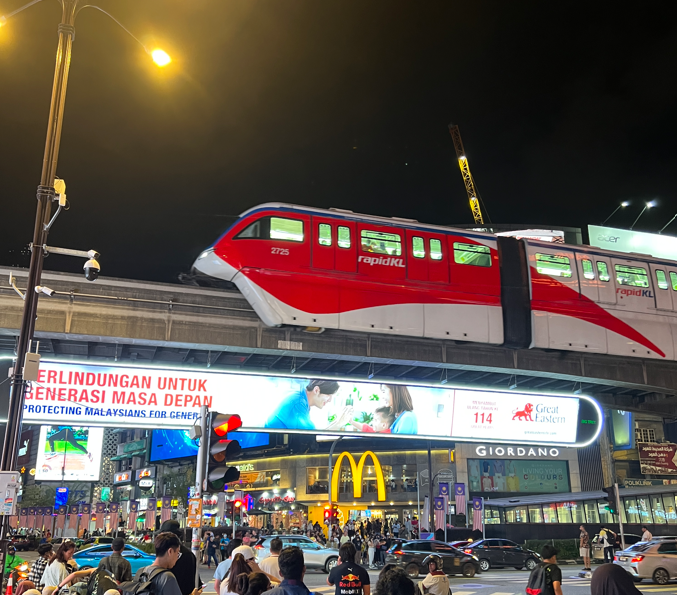
Kuala Lumpur has public transport such as the MRT and LRT.
Travelling between the main parts of the city can be very cheap. On one route I used, I travelled about nine stops and paid only around RM3.70.
The trains were also clean, and the air conditioning inside was quite strong.
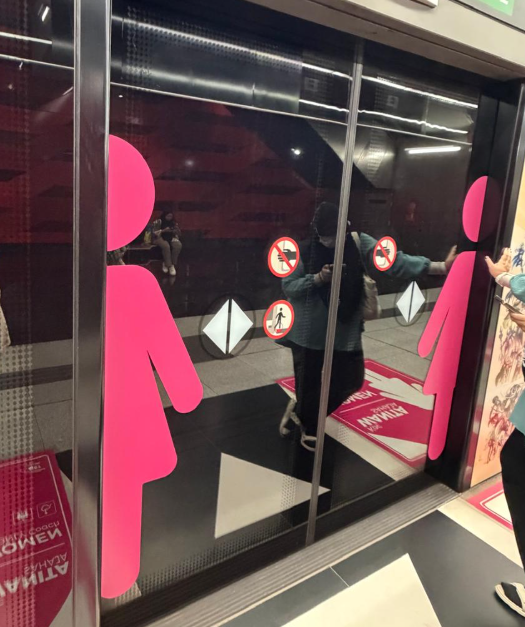
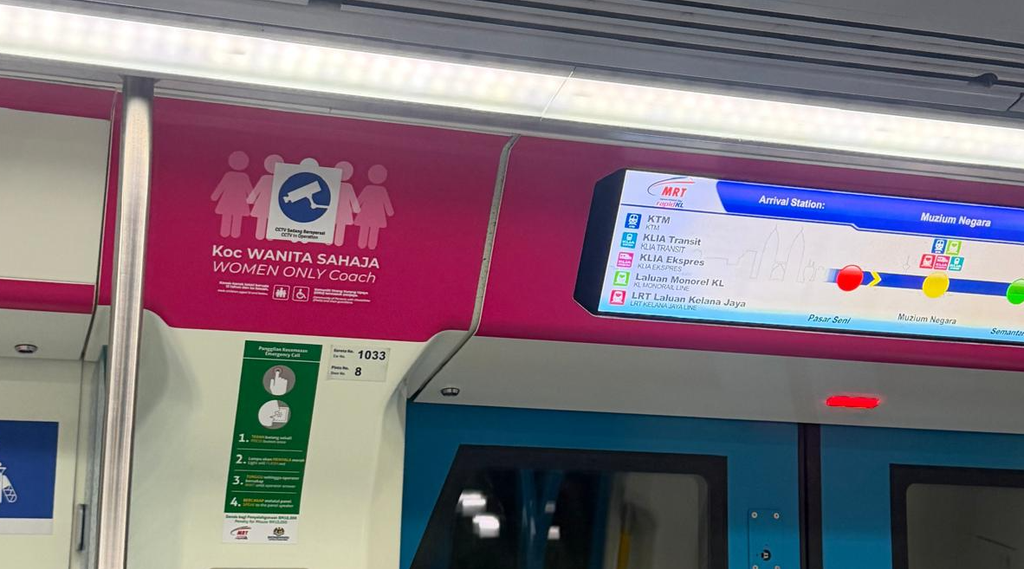
One thing I especially noticed was the women-only coach.
What impressed me was not just that it existed, but that people actually seemed to respect it.
When I used the women-only coach, I did not see a single man inside.
Even when there were no seats and people had to stand, male passengers were using the other coaches.
There were also regular announcements reminding passengers that it was a women-only coach.
One of the biggest advantages of the MRT and LRT is avoiding traffic during rush hour.
Traffic in Kuala Lumpur can be much worse than expected.
During commuting hours, cars and motorbikes fill the roads. If heavy rain or an accident happens at the same time, travel time can become much longer.
So I think living within walking distance of an MRT or LRT station can be a real advantage.
However, the train network does not connect every part of the city closely. It mainly connects the main areas and then spreads out from there.
After actually living here, I found it difficult to manage every trip using public transport alone.
Grab fills that gap.
Without my own car, Grab became less like a taxi I occasionally used and more like something I needed in everyday life.
For groceries, restaurants, hospitals, cafés, or shopping malls that are a little far from a station, I naturally open Grab.
Outside peak hours, a trip of around 20 minutes often cost me around USD 5.
One trip does not feel very expensive, but if you use it several times a day, the cost definitely adds up.
Still, not having to walk or wait in the middle of the daytime heat, and being able to move around easily early in the morning or late at night, reduced a lot of daily stress for me.
So the convenience of getting around Kuala Lumpur does not come from the public transport network covering everything.
For me, it comes from Grab filling the spaces in between.
Easier than expected 3. Living in English
One of the things that made everyday life easier for me in Malaysia was communication.
In many situations, I could use English to order food, talk to Grab drivers, ask where something was in a shop, or ask for directions.
I also did not feel like my English had to be perfect.
This is one thing I especially like about the way English is used in Malaysia.
You can keep things short and simply say what you need.
Even if the sentence is not grammatically perfect, the conversation usually continues as long as the meaning is clear.
I rarely felt that anyone cared much about whether the sentence itself was perfect.
For me, that made speaking English much more comfortable.
Language in everyday life is not only about whether people understand you.
It is also about how much pressure you feel before you even start speaking.
In Kuala Lumpur, I felt much less pressure about using English than I expected.
But some things were harder than expected
1. Being able to avoid the heat does not mean the weather is easy
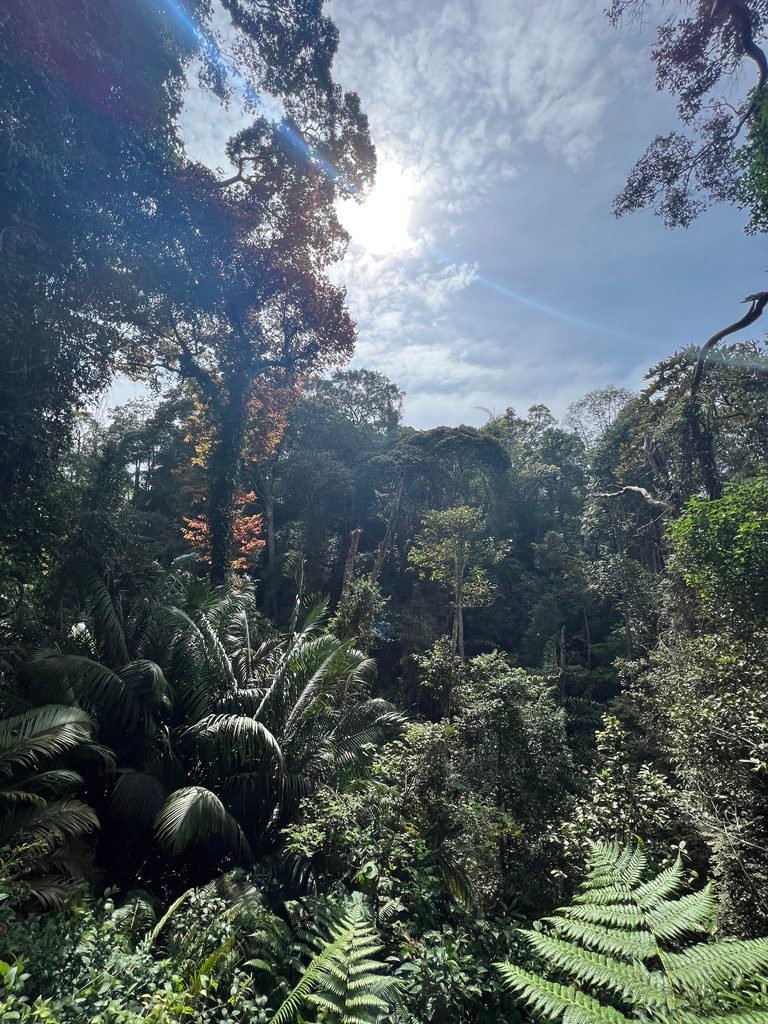
When you spend a lot of time indoors, it is actually easy to underestimate the Malaysian heat.
I did that at first too.
When I first arrived in Kuala Lumpur, I was excited and spent a long time walking around Chinatown in the middle of the day.
The sun did not even feel extremely strong, and at first I felt fine.
Then suddenly I started feeling very dizzy and developed a strong headache.
It became difficult to keep walking.
That was when I realized that it is not only the temperature that matters.
The humidity should not be underestimated either.
It is quite easy to avoid the heat while living in Kuala Lumpur.
But that is not because the weather itself is not hot.
It is because people organize their daily lives around avoiding it.
If you have to spend a long time outside in the middle of the day, the situation is completely different.
Since then, I pay more attention to the time of day when I know I will be walking a lot, and I make sure to carry enough water.
2. Rain can come suddenly, and when it comes, it can be very heavy
One thing I still find difficult to get used to in Kuala Lumpur is the rain.
While I have been here, there have been many days when heavy rain suddenly came almost once a day.
A few hours earlier, everything can look completely normal.
Then the sky suddenly gets dark and very heavy rain starts.
Sometimes it is not the kind of rain that can simply be solved by carrying an umbrella.
When the rain is strong enough, even walking a short distance becomes difficult, and traffic gets worse as well.
This is also when another side of Grab appears.
Once the rain starts, many people try to book a Grab at the same time.
I have seen the price of a route I normally use go up to almost twice the usual amount.
A ride that felt affordable just a few minutes earlier can suddenly feel quite expensive.
Grab also uses dynamic pricing when demand is much higher than the number of available drivers.
Being able to live in Kuala Lumpur without owning a car is still a big advantage.
But when the weather changes, the price of that convenience can change too.
This was something I did not really think about before living here.
3. One of the biggest things I did not expect was the air quality
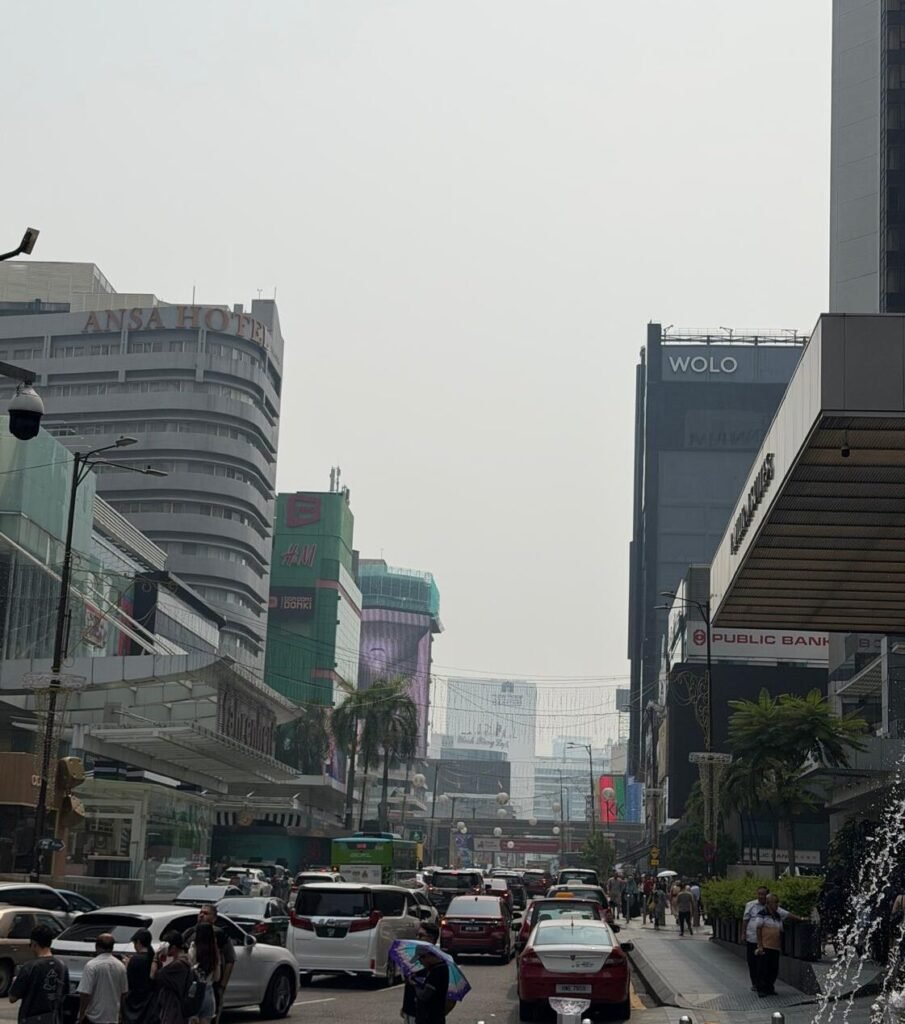
More than the weather, what I did not expect was the air.
Before coming to Kuala Lumpur, I did not think air pollution would affect my everyday life this much.
But while I have been here, there have been long periods when the air quality was not good.
When I looked outside, buildings in the distance sometimes looked blurry, and my air quality app kept showing poor numbers.
On days when the haze was especially bad, even my eyes, nose, and throat started to feel irritated.
At first, I thought it was simply air pollution from the city itself.
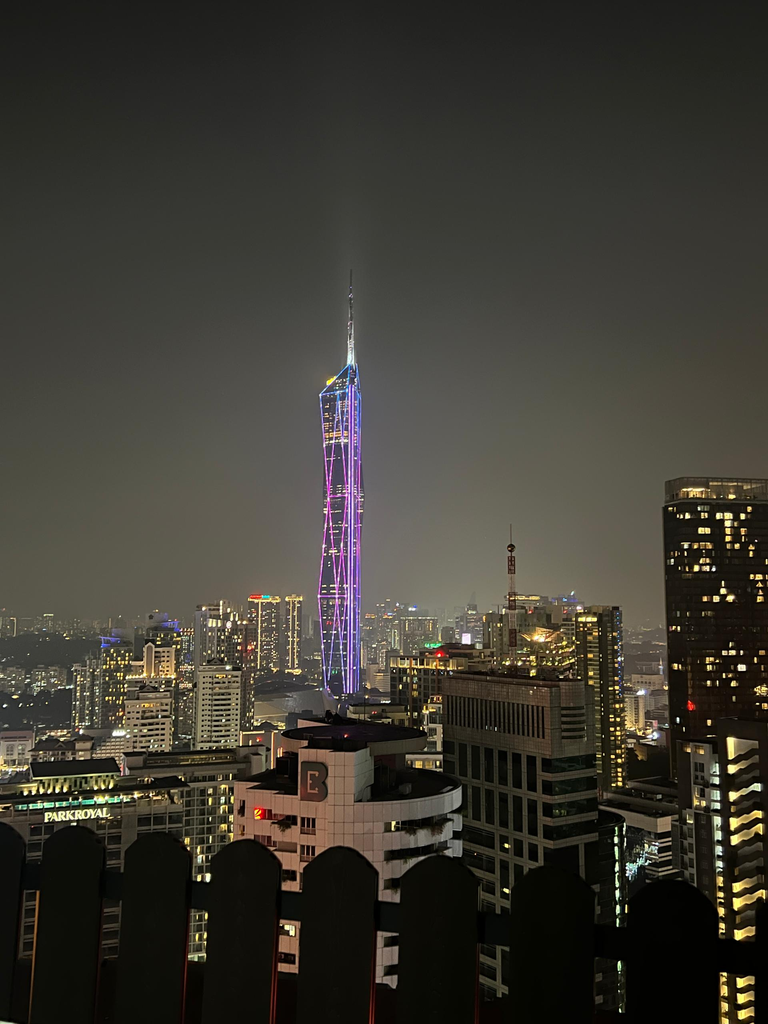
But during certain periods of the year, haze from forest and peat fires in Sumatra and Kalimantan in Indonesia can also travel across the region and affect Malaysia.
On the air quality app I use, I saw days when the AQI went above 200.
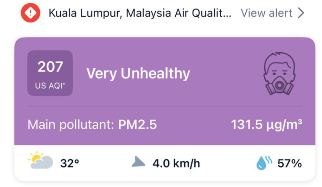
At some point, checking the air quality in the morning became something I did even before checking the weather.
That was definitely not a habit I expected to have before moving here.
On days when the air quality was especially bad, I started avoiding unnecessary outdoor activities and wearing a mask when I had to be outside.
Hot weather can be dealt with to some extent by using air conditioning or avoiding the middle of the day.
If it rains, you can wait or take a Grab.
But bad air feels different.
You do not really want to open the windows, and walking or exercising outside for a long time becomes less attractive.
When this continues not just for a few days but for weeks or even months, it starts to feel less like a temporary weather problem and more like something that affects your quality of life.
It is also something that people with children, older people, or people with respiratory or heart problems may need to think about more carefully.
Living in Kuala Lumpur made me realize again that clear skies and clean air are also important parts of quality of life.
You can live without a car, but you can become very dependent on Grab
At first, I only saw Grab as something convenient.
But after living here for a while, I started noticing another side of it.
Being able to live without a car is not the same as living in a city where it is easy to walk or use public transport everywhere.
Some places do not look very far on the map, but are still awkward to reach on foot.
Sometimes you take the MRT and still need another ride from the station to your final destination.
Then add the midday heat or sudden heavy rain, and instead of thinking, “Should I walk?” I often find myself thinking, “Should I just call a Grab?”
One ride is usually not too expensive.
But if this happens several times a day, it starts to affect your monthly living costs.
And because Grab is so convenient, I also noticed that I started walking less, even for shorter distances.
Becoming dependent on Grab for so many parts of everyday life is also something worth thinking about.
Once your way of moving around the city is built around one service, it may become difficult to change if prices or service policies change in the future.
So there is one condition behind the convenience of living in Kuala Lumpur without owning a car.
You depend less on your own car, but instead you can become quite dependent on services like Grab.
Living here changed the way I think about what makes a city convenient
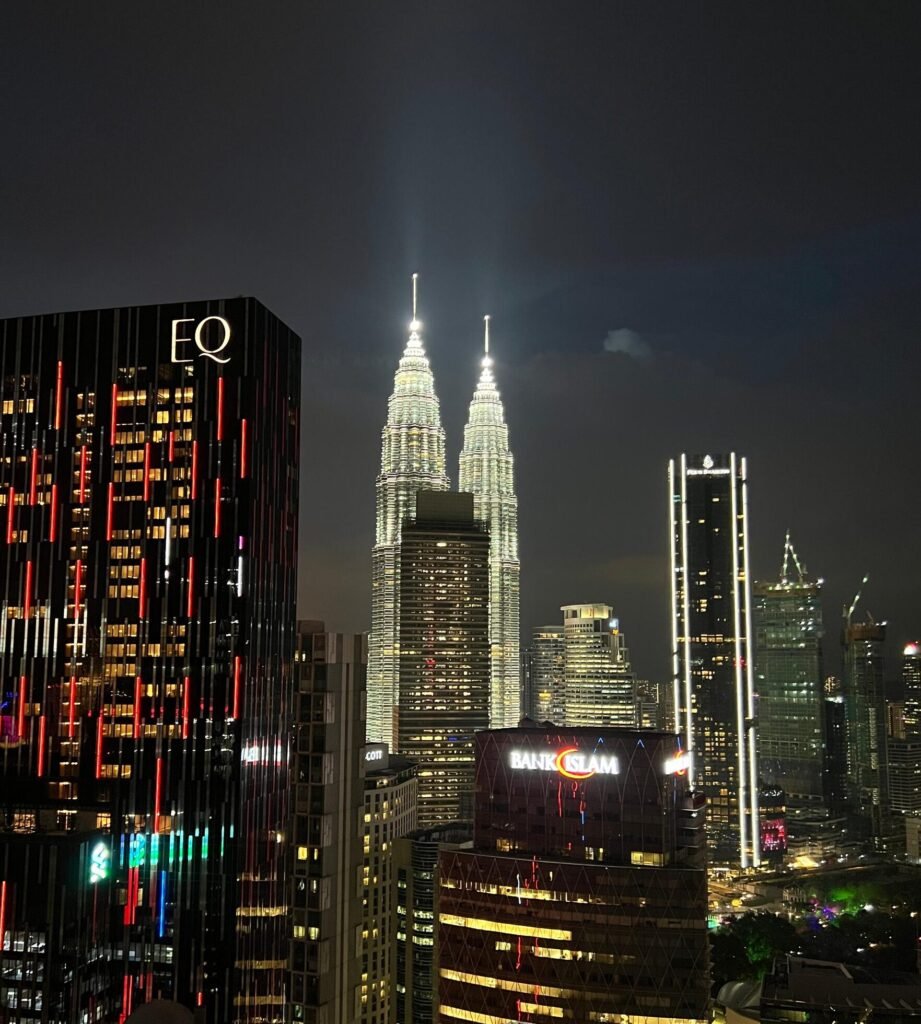
Before living in Kuala Lumpur, I think I looked at whether a city was convenient in a fairly simple way.
What is the weather like?
Is there public transport?
Can I use English?
Is the cost of living low?
But everyday convenience is not decided by only one of these things.
The weather is hot, but air conditioning and the way people move around reduce the inconvenience.
Public transport does not reach everywhere, but Grab fills many of the gaps.
English is enough to manage a large part of everyday life.
On the other hand, sudden heavy rain can immediately change the cost of transportation, and even when the weather looks fine, haze can make spending time outside uncomfortable.
In the end, maybe the important question is not whether a city has disadvantages.
It is how many ways there are to avoid or solve those disadvantages.
I think that is one reason Kuala Lumpur felt easier to live in than I expected.
It is not a perfectly convenient city.
But when something is inconvenient, there are often several ways around it.