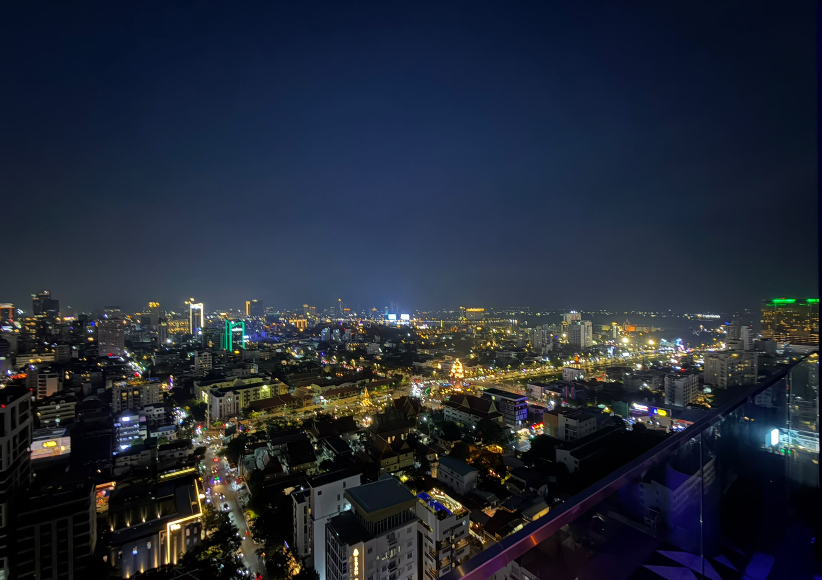
Thoughts on Cost of Living, Transportation, Neighborhoods, and Living Here Long Term
Before coming to Cambodia, what I really wanted to know was not whether Phnom Penh was a good city to visit as a tourist.
There is a possibility that I may live here for more than two years, so I had much more practical questions.
Could I actually live here?
Could I build a normal daily life here, go grocery shopping, commute to work, eat out, meet people, and stay for a longer time? And how much money and inconvenience would I have to accept to live comfortably?
Before coming here, I honestly felt more worried than excited. There had also been a lot of negative news about crime in Cambodia recently, so I was nervous about what everyday life would actually feel like.
This time, I stayed in Phnom Penh for three weeks.
Three weeks is definitely not enough time to fully judge a city. Still, it was long enough to see Phnom Penh from a slightly more everyday point of view instead of only as a tourist.
I think I found at least some answers to the things I had been wondering about before coming here.
The First Week Felt Much Wilder Than I Expected
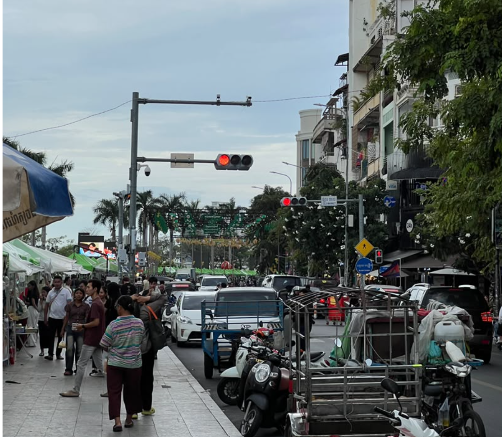
My first impression of Phnom Penh was that it felt like a city that is still changing and developing very quickly.
Cars, tuk tuks, and motorbikes all seemed to move together on the same roads, and the traffic system felt very different from what I was used to.
Public transportation also did not seem very practical for everyday life.
During the first week, I noticed things like garbage on the streets, food stalls, endless motorbikes, and exhaust fumes before anything else.
I have traveled to several countries in Southeast Asia, but compared to other cities I have experienced, the difference in infrastructure felt quite big to me.
During that first week, I honestly asked myself several times:
“Can I really live here for a long time?”
But something interesting happened after two or three weeks.
Some of the things that felt very unfamiliar and uncomfortable in the beginning slowly started to feel more normal.
It was not that those things disappeared. I think I was simply starting to adapt.
Whenever I live somewhere new, I notice that my first impression and how I feel a few weeks later can be very different.
Staying in Tuol Kouk
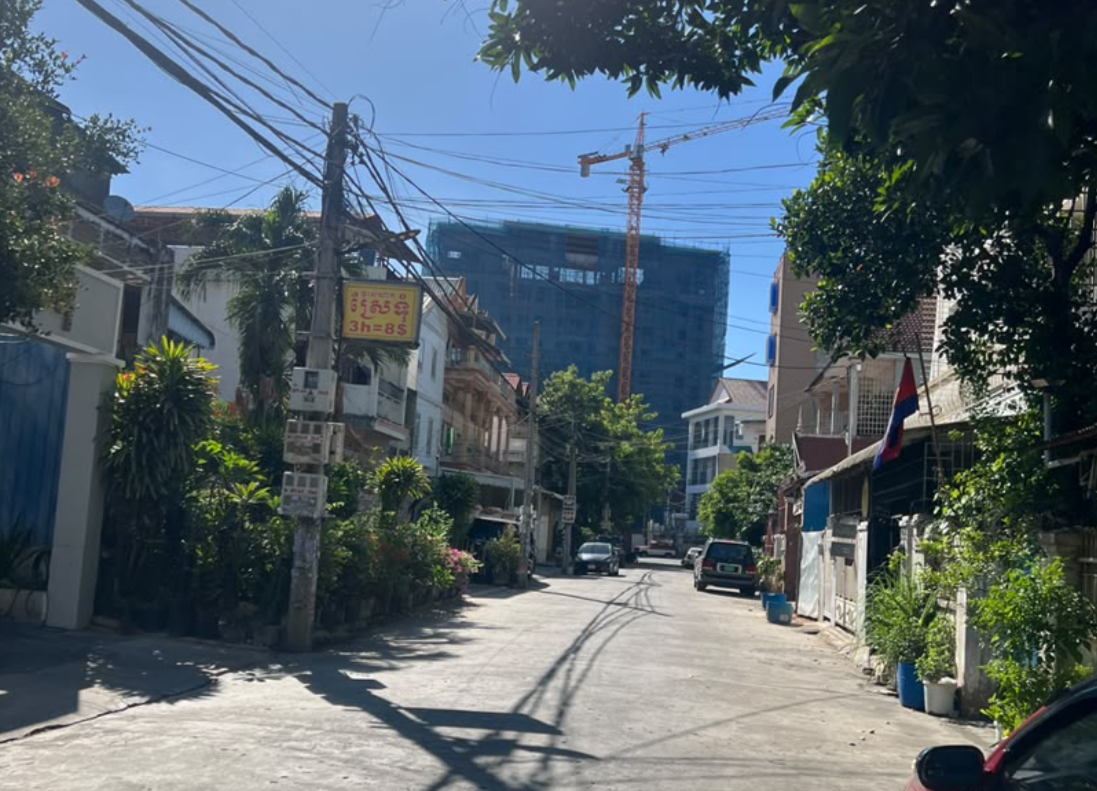
During these three weeks, I stayed in a serviced apartment in Tuol Kouk.
One thing that really stood out to me was how very different living conditions could exist right next to each other.
There were huge villas that honestly looked like a king could live there, and then only a short walk away there were homes that looked much more basic.
Sometimes I saw people cooking and eating outside. I am not sure if it was because there was no kitchen inside, but it was something I noticed quite often while walking around.
The serviced apartment itself was comfortable enough, and I did not feel that anything important was missing in terms of facilities or service.
There was one strange accident though. One of the windows suddenly broke while I was staying there. I still do not really know why it happened.
There was also a lot of construction around the area. New buildings seemed to be going up everywhere, so Tuol Kouk felt like a neighborhood that is still changing quite a lot.
One thing I found difficult was walking around.
Sidewalks sometimes suddenly disappeared, and with so many motorbikes and cars, I often ended up taking a car even when I was only going to a nearby supermarket.
I normally like being able to walk around a neighborhood, so this affected me more than I expected.
If I choose where to live in Phnom Penh in the future, I do not think I will only look at the apartment itself.
I will also pay a lot of attention to what I can actually reach on foot and whether the places I use regularly are nearby.
Is Cambodia Really Cheap?
Before coming here, I assumed that one of the advantages of living in Cambodia would be the low cost of living.
After three weeks, I think this question is a little more complicated.
Phnom Penh did not feel like a city that is simply cheap.
The cost of living seems to depend a lot on the kind of lifestyle you want to maintain.
Prices were often displayed in US dollars, and paying in dollars felt completely normal in many places.
When I went to supermarkets, I also noticed that there seemed to be a lot of imported products.
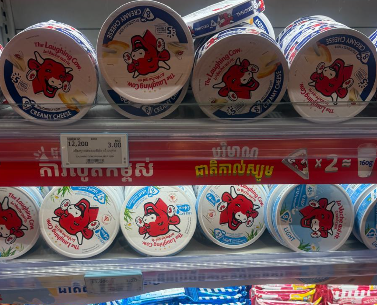
Dairy products such as milk, cheese, and yogurt, as well as international brands, were more expensive than I expected.
Cafés were similar.
Local takeaway coffee could be quite affordable, but places like Starbucks or other chain cafés sometimes felt similar in price to Korea, or even more expensive.
Food prices also varied a lot depending on where you ate.
At street food places or very local restaurants, you could sometimes eat for around $1 to $3.
But at a nicer restaurant, spending around $10 per person felt quite normal.
Even a bowl of Vietnamese pho with Australian beef could cost around $8 to $10.
So one thing I realized was that it is probably too simple to think, “Cambodia is cheap, so living here will be cheap.”
The cost changes a lot depending on how much you adapt to a local lifestyle.
If you buy imported food, live in a nice condo, use air conditioning a lot, take cars everywhere, and mostly go to cafés and restaurants aimed at foreigners, the monthly cost can become much higher than expected.
In the end, I think the more important question is not Cambodia’s average cost of living, but what kind of lifestyle I personally want to keep.
I Ended Up Depending on Cars More Than I Expected
For transportation, I mostly used Grab.
From my experience, a ride of around 20 minutes usually cost about $4 to $5, while a short five minute ride was around $1.50.
Each ride itself does not feel very expensive.
But because walking is not always easy, those transportation costs can keep adding up in everyday life.
In Korea or Europe, there are many distances where I would normally think, “I’ll just walk.”
Here, I often found myself calling a car instead.
So if I calculate the cost of living in Phnom Penh in the future, I think transportation should be included as a real part of the monthly budget, not just rent and food.
The Weather Was More Manageable Than I Expected
It was definitely hot during the day.
Walking for a long time in the middle of the day was not very comfortable.
But during the time I stayed here, the humidity did not feel as unbearable as I had imagined.
After sunset, walking outside was actually quite manageable.
I heard several times that March and April are especially hot, so the period I stayed here may have been one of the easier times of year.
There was one thing, though, that seems difficult to avoid in a hot climate.
Bugs.
I saw cockroaches several times, even at hotels, and also quite often outside.
Rats also seem difficult to avoid completely.
Considering the climate, this is probably not surprising, but that does not mean it is easy to get used to.
So if I move here long term, I definitely want to bring some cockroach products with me from Korea.
I am quite serious about this.
Air Conditioning and Electricity Costs Are Also Something to Think About
When I was at home, I usually kept the air conditioning on, even if only lightly.
When I lived in Malaysia, I did not feel that electricity was extremely expensive even when I used the air conditioner quite a lot.
But in Cambodia, I heard many times that electricity can be expensive.
If I actually move here long term, this is something I want to track properly.
When looking for an apartment, I think it would be important to check the electricity rate, what is included in the management fee, how efficient the air conditioning is, and roughly how much electricity costs if the AC is used most of the day.
An apartment may look affordable at first, but the real monthly cost can be different.
Security Guards Felt Strange at First
Another thing that felt unusual to me at first was seeing security guards in front of so many restaurants, cafés, and shops.
When a taxi arrived, they would sometimes open the door or help with parking.
They were also often standing outside and watching the area.
At first, I felt a little awkward receiving that kind of service.
But after a few days, it started to feel normal.
This happens often when living in another country.
Something that feels very noticeable at first slowly becomes part of the background.
I Still Don’t Want to Make a Strong Judgment About Safety
Safety was one of the things I worried about most before coming.
During the three weeks I stayed here, I personally did not experience any situation where I felt directly threatened.
People were generally kind to me as well.
But this is only my personal experience during three weeks in specific parts of the city.
I do not think my experience is enough to say that Phnom Penh or Cambodia as a whole is either safe or unsafe.
Anyone considering living here long term should still check current safety information and the situation in the specific area where they plan to live.
If I move here, this is also something I want to keep observing over time.
It Felt More Like a City to Live in Than a Tourist Destination
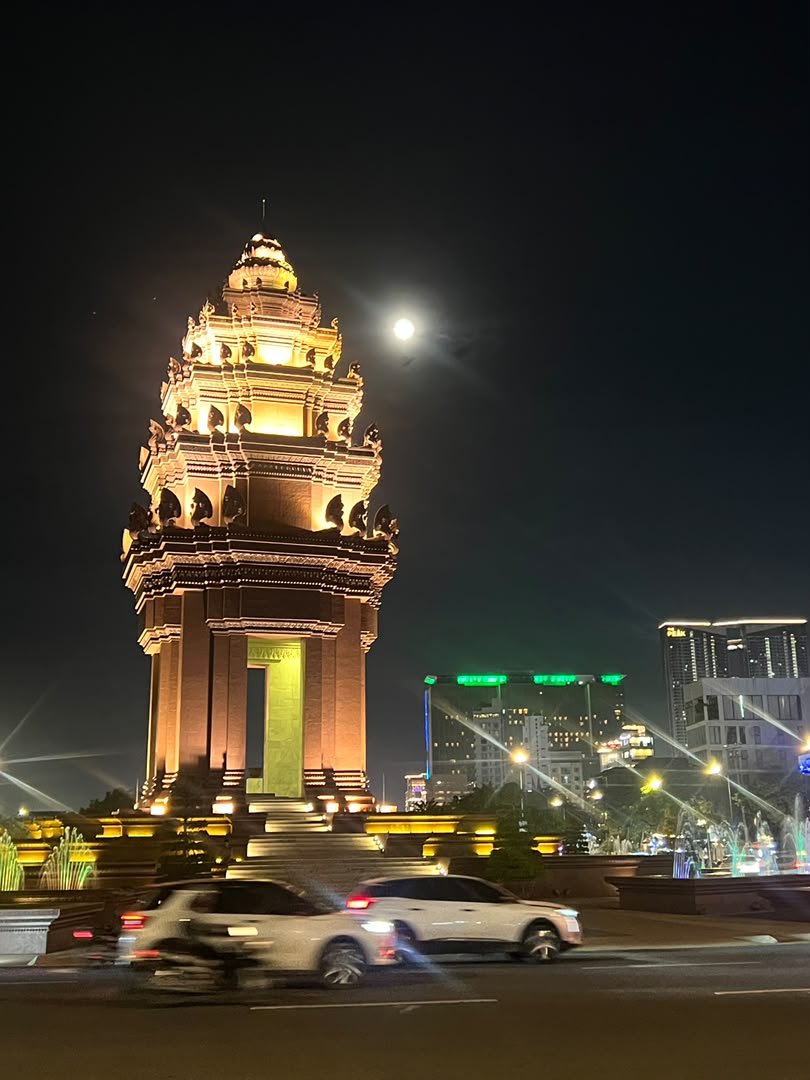
If I were visiting Phnom Penh only as a tourist, I am not sure I personally would feel the need to stay for a very long time.
It is not a typical resort destination, and I did not feel that there were endless tourist attractions to visit for many days.
Of course, it is different if the goal is to experience Cambodian history, culture, food, and everyday life.
But I personally would not come all the way to Phnom Penh mainly for shopping malls or tourist facilities.
Actually, I started to think that Phnom Penh may be a city where you notice more when you try to live here rather than simply visit as a tourist.
Surprisingly, Food Was One of My Favorite Things
One of the things I enjoyed most in Phnom Penh was the food.
In general, when I paid more, I felt the food quality was also quite good.
I was also surprised that many dishes were not as sweet or strongly seasoned as I expected.
When ordering coffee, I was sometimes asked how much sugar I wanted, which made it easy to adjust to my taste.
Cambodian food also felt quite mild to me, and many restaurants serving food from other countries seemed to do a good job keeping the original flavors.
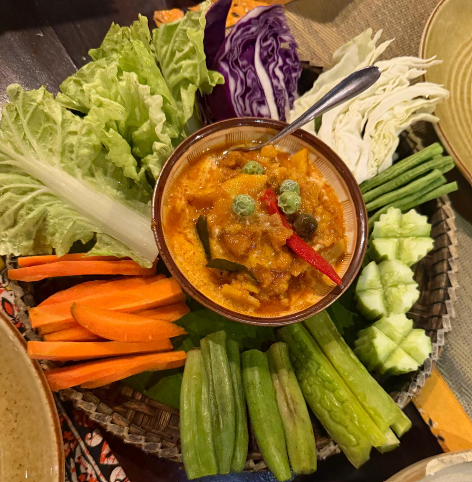
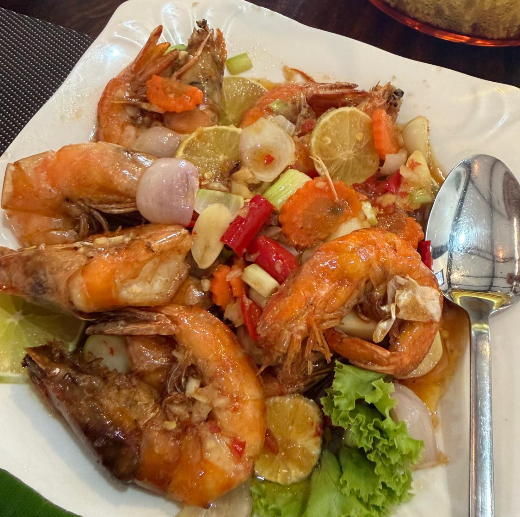
There were also many Korean and Chinese restaurants.
Especially Korean restaurants. There seemed to be a lot of them.
One thing I found interesting was that many restaurants did not seem very busy.
Of course, this may have been because of the times I visited, but I often saw restaurants with only four or five occupied tables, or sometimes almost no customers at all.
If I live here long term, I think it could be interesting to observe more closely how the restaurant and café scene actually works here.
Next Time, I Want to Try Living in BKK1
This time, I stayed in Tuol Kouk.
But if I come back to Phnom Penh for a longer stay, I would like to try living in BKK1.
BKK1 is known as an area where many foreigners live, and from what I saw, there seemed to be more cafés, restaurants, condos, and other things that make daily life easier for foreigners.
I have not actually lived there long term, so I cannot say that one neighborhood is better than the other.
But based on the things that matter to me, like walkability, cafés and restaurants, opportunities to meet people, and overall convenience, I have a feeling that BKK1 may suit me better.
So next time, I would like to stay there for at least a month and compare it with Tuol Kouk properly.
Things I Would Bring for a Longer Stay
After spending three weeks here, I also started making a mental list of things I would bring if I move to Cambodia long term.
I think it would be easier to bring some of the cosmetics, basic medicines, clothes, and household products that I already use regularly.
You may not always find exactly the same products locally, and imported products can sometimes be more expensive than expected.
And again, cockroach products.
Definitely bringing those.
Who Might Enjoy Living in Phnom Penh?
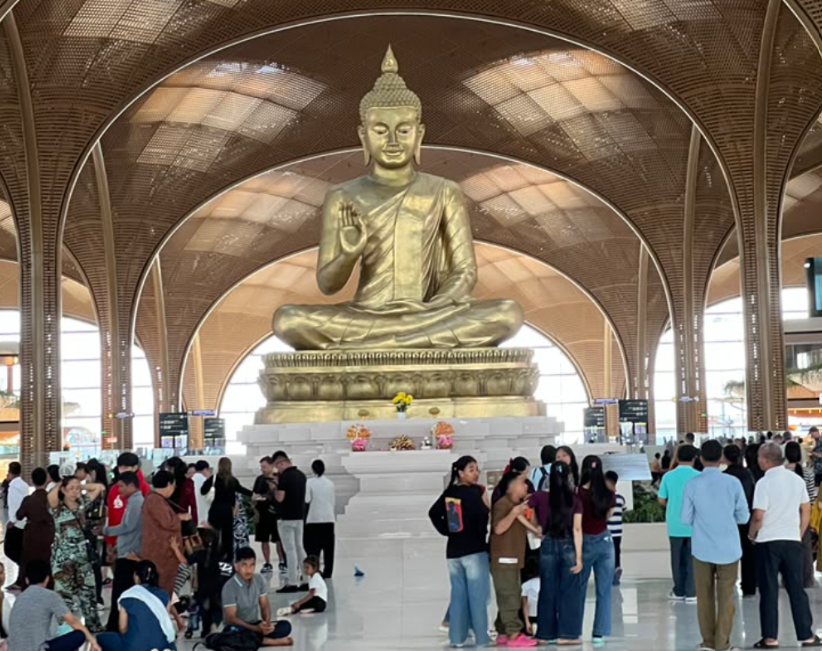
Three weeks is still too short for me to say anything with confidence.
But based on what I experienced so far, I think Phnom Penh may work better for someone who does not mind depending on cars, can adapt to a somewhat rougher urban environment, and is willing to spend some money for convenience when it comes to housing, restaurants, and services.
It may also be an interesting city for people who enjoy different kinds of Asian food and like observing unfamiliar environments and cultures.
On the other hand, for someone like me who likes walking, values organized urban infrastructure, and often buys familiar imported products, daily life may feel more difficult or more expensive than expected.
So maybe the question, “Is Phnom Penh a good city to live in?” is not really the best question.
A better one might be:
“What kind of daily life matters to me?”
Because in the end, whether a city feels good or difficult depends a lot on the kind of life you want to build there.
Leave a Reply